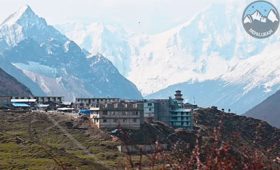
The Upper Mustang trekking is a moderate, bucket-list adventure through Nepal’s former Forbidden Kingdom. Offering a stark, mesmerizing contrast to the lush green trails typical of the Himalayas, this region mesmerizes trekkers with its dry, desert-like landscapes, dramatic canyons, and snow-capped peaks.
Whether you’re seeking a unique high-desert trek or looking for the ultimate monsoon season getaway, Upper Mustang delivers high-reward adventure without requiring extreme mountaineering skills.
Quick Takeaway:
Upper Mustang is rated moderate. Its trails are wide and relatively flat compared to other Himalayan routes, with altitudes staying below 4,000 meters. It is ideal for average-fitness trekkers looking for deep culture and dramatic scenery.
Table of Contents
What Makes Upper Mustang So Famous?
Stepping into villages of Upper Mustang feels like walking back in time. Free from heavy modern development, this region preserves ancient Tibetan Buddhist culture in its purest form.
- Mysterious Cliff Caves: Centuries-old, human-made sky caves are carved directly into vertical deserted hills faces, continuing to yield fascinating archaeological finds.
- Ancient Tibetan Architecture: Villages feature traditional stone masonry houses, vibrant prayer flags, and roofs neatly stacked with firewood—a symbol of wealth and preparation.
- Preserved Heritage: Century-old monasteries (gompas) host active monastic communities, sacred murals, and priceless religious artifacts.

Upper Mustang Trekking Difficulty: Key Factors
While this is neither a technical nor an overly grueling trek, several key factors shape the overall physical challenge.
1. Daily Walking Hours
Expect to walk between 5 to 7 hours per day. While the terrain is mostly gradual, back-to-back days on your feet require solid stamina and mental toughness.
- Terrain Load: Most of the trail follows wide, open paths and occasional unpaved motor roads.
- Pacing: The daily steady elevation gain makes the distance manageable, but fatigue accumulates over time.
Insider Tip:
Consider hiring a local porter for around $20–$30 USD per day. Lightening your pack weight reduces physical strain on your knees and back while directly supporting the local Himalayan economy—a win for both you and sustainable tourism.
2. Altitude Considerations of mustang trekking difficulty
Unlike classic high-altitude routes like Everest Base Camp or the Annapurna Circuit, altitude is rarely a dealbreaker in Upper Mustang.
Safety Net: Well-maintained motor tracks run up to Lo Manthang and beyond. Unlike cloud-bound remote regions where medical evacuations rely on clear skies for helicopters, overland emergency road rescues are readily available year-round.
Max Elevation: The standard route stays comfortably below 4,000 meters.
Lower Risk: Altitude sickness (AMS) can occasionally begin above 2,500 meters, but the slow, gradual incline makes acclimatization straightforward.
3. Terrain & Alternative Routes
Compared to steep, knee-jarring ascents found elsewhere in Nepal, Upper Mustang’s main trail features forgiving slopes and wide dirt paths. If you can handle trails like Mardi Himal, Ghorepani Poon Hill, or Annapurna Base Camp, you will find this terrain completely manageable.
Route Warning:
Choosing the Yara Ghara side loop significantly increases the trek’s difficulty. This adventure route lacks teahouses, has long stretches between remote villages, and involves steep, rugged ascents. Reserve this option only if you are an experienced trekker.
4. Remoteness & Modern Amenities of Upper Mustang Nepal
Upper Mustang is visually remote due to its arid landscape and sparse population, but the trekking experience itself is surprisingly comfortable.
- Teahouse Comforts: Villages along the main route offer cozy teahouses. Many now feature upgraded rooms, private bathrooms, and Western-style amenities for a small additional fee.
- Connectivity: Mobile network coverage is reliable in most major villages along the trail.
- Authentic Living: While comfortable, keep expectations grounded—this is still a high-altitude Himalayan valley, so don’t expect 5-star luxury accommodations.
5. Temperature and Seasons
The weather dictates the true difficulty of this trek. Choosing the right season is crucial to your comfort and safety.
| Season | Temperatures (Day/Night) | Trail Conditions & Vibe |
| Spring (Mar–May) | 15°C to 20°C / Moderate | Mild weather, clear views, ideal trekking conditions. |
| Monsoon (Jun–Aug) | 15°C to 26°C / Drops ~5°C | Best Choice! Rain-shadow zone means dry trails, fewer crowds, and eco-friendly off-peak travel. |
| Autumn (Sep–Nov) | 10°C to 18°C / Chilly | Crisp air, vibrant cultural festivals, popular and busy trails. |
| Winter (Dec–Feb) | 0°C to 5°C / -20°C to -25°C | Strenuous. Random heavy snow days, freezing nights, and closed teahouses make winter trekking a major challenge. |
Insider Tip:
Upper Mustang sits in a rain-shadow zone surrounded by the Annapurna and Dhaulagiri mountain ranges. While the rest of Nepal experiences heavy monsoon rains from June to August, Mustang remains mostly dry and sunny—making it one of Asia’s finest summer trekking destinations.
Ready to Explore the Last Forbidden Kingdom?
Upper Mustang balances rich cultural immersion with accessible, moderate trekking. Whether you are planning a summer monsoon getaway or a classic spring journey, tailoring your route to your fitness level ensures an unforgettable adventure.
Looking for a customized itinerary designed around your schedule and travel style? Let’s map out your Upper Mustang journey together! Nepalgram will help you tailor your best trip in Nepal.
Browse other trip?
If you think upper mustang is difficult, you can search other trips. Use the search bar below.
Choosing the appropriate season for the hike will therefore help to lower the Upper Mustang Trek Difficulty Level.
Types of trip in Nepal
Feel free to ask any question regarding trip selection in Nepal.
Home stay (58 Trips)
Volunteering travel trips in Nepal (7 Trips)
Guided Trips (164 Trips)
Self Guided Travel & Independent trips (25 Trips)
Package holidays in Nepal (49 Trips)