
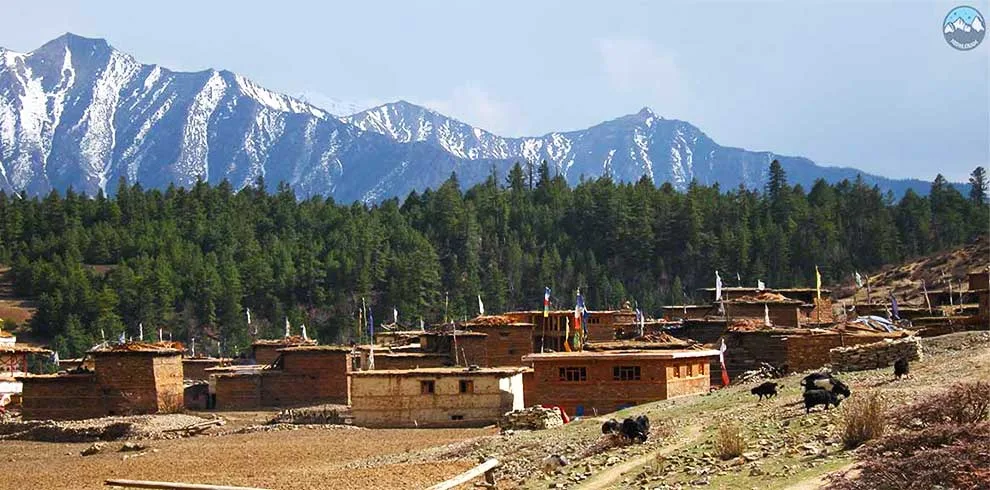
General Information About Upper Dolpo Trek Nepal
One of the world’s longest and highest walking pathways, the Upper Dolpo Mugu Trek is made up of a network of already-existing treks and trails. A projected path that would go from Namche Barwa in Tibet to Nanga Parbat in Jammu and Kashmir would span up to 6200 km of the Greater Himalaya range. As a result, one passes through Tibet, Nepal, Bhutan, India, and Kashmir. It is the world’s highest and longest alpine walking track. Evidently, only Nepal and Bhutan are listed as having been traversed on foot.
Tourists are drawn in large numbers by the Upper Dolpo Mugu Trek, but the most well-liked locations have only been in the Solukhumbu, Everest, Annapurna, and Langtang regions. A trekking path that includes both well-known locations and other, less well-known destinations is made possible by the Great Himalayan Trail (relatively poor but with enormous tourism potential). The Trail also connects a variety of the less popular tourist attractions and goods in Nepal’s mountainous region with the goal of creating an iconic travel experience for tourists from all over the world.
Accommodation in Upper dolpo trek
The Upper Dolpo trek is a remote and challenging trek in western Nepal, and accommodation options are limited along the trail. Here are some accommodation options you may consider while trekking in Upper Dolpo:
Tea Houses: Throughout the Upper Dolpo trek, there are a few tea houses (local lodges), however they are fairly basic and might not match the expectations of many trekkers. These tea houses typically provide a basic room with a communal dining area and restroom.
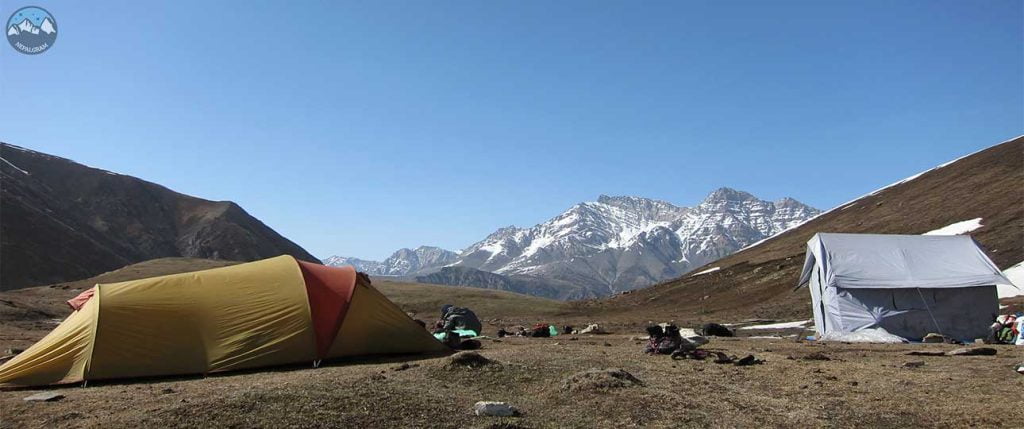
Camping : The most popular type of trekking in Upper Dolpo is camping. You can rent camping equipment in Pokhara or Kathmandu or bring your own. You can pitch your tent at authorized camping areas or ask nearby villages for permission to stay on their property.
Homestays: In Upper Dolpo, homestays are gaining popularity, and certain communities provide homestay accommodations. This is a fantastic approach to get a feel for the culture and way of life there.
Best season for Upper dolpo trek
The best season for the Upper Dolpo trek is from mid-April to mid-June and from mid-September to mid-November. These months are generally considered the peak trekking season in Nepal because the weather is clear and dry, and the temperature is mild.
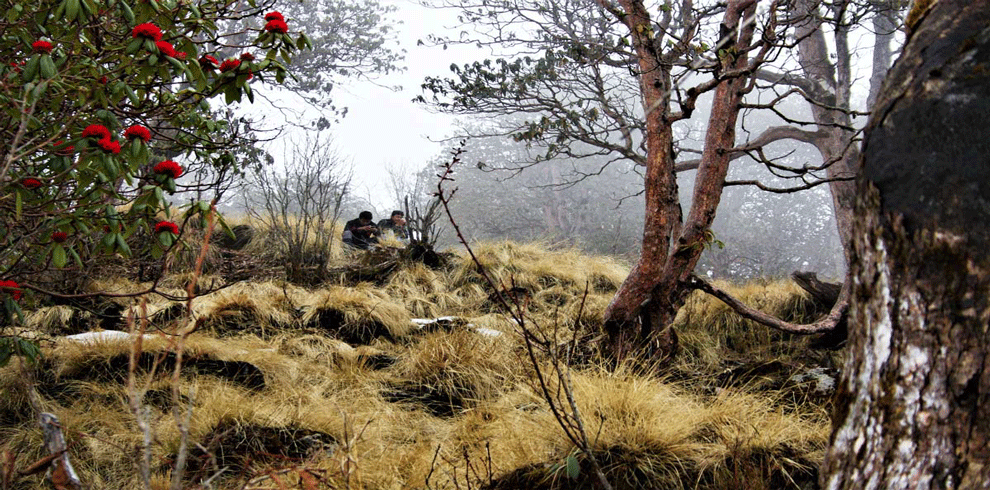
The weather is favorable and the hills and forests are in full bloom from April to June, making for a lovely trekking experience. The monsoon season, which lasts from July through August, brings significant rain to the area, making trekking demanding and difficult.
The ideal time to go trekking in Upper Dolpo is in the fall, from September to November. Cool and dry conditions prevail, and the clear skies offer breathtaking views of the mountains in the area. The harvest season also falls at this time, and you may see how the villagers celebrate their customary holidays.
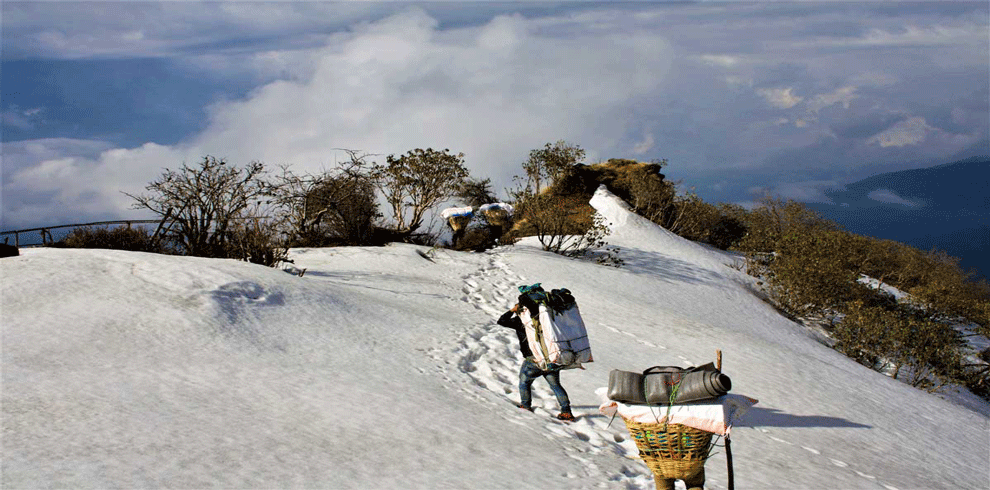
The Upper Dolpo region is covered in snow from December through March, and temperatures can plunge below zero. Trekking during this time of year is not advised as the trails can be impassable owing to snow and ice.
Difficulty level of Upper Dolpo Trek
The difficulty of a hike in the Himalayas might increase due to a number of circumstances. The Upper Dolpo journey is challenging in large part due to its lengthy schedule, which includes multiple days of , steep ascents and descents in terrain that resembles a desert.
This hike is not for the faint of heart because there are two 5,000-meter mountains to climb and numerous days spent above 4,000 meters. The highest point on this hike is Kang-La Pass, which is located at 5,151 meters. Moreover, elevations above 3,500 meters are thought to be where the danger of altitude sickness starts. Acclimatization is essential for this climb as a result. You must alert the guide or the trek leader as soon as you experience any of the symptoms, as they have received extensive first aid training and have Himalayan experience. These symptoms include unease, breathing difficulties, headaches, increased heart rates, nausea and vomiting, difficulty sleeping, etc.Yet, you may prevent serious altitude troubles by staying hydrated, taking it slow, and paying attention to your body.
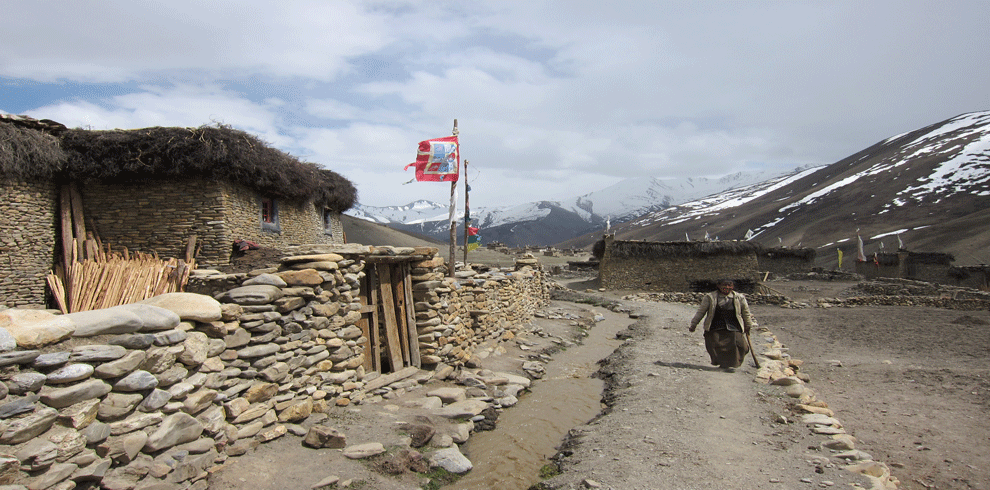
It’s important to note that Upper Dolpo is the least developed part of the nation. Not only the altitude but also isolation and a dearth of basic services are drawbacks.
Before traveling to Upper Dolpo, hikers should research the general climate of the area throughout the several seasons. The locals or the knowledgeable must be able to advise you on the ideal time to visit the area.
While some experience with high-altitude excursions is helpful, anyone can go hiking without any specific skills or climbing gear. But, you must possess a high degree of walking endurance in addition to being in top physical and mental health. As a result, we suggest that you engage in some cardio-vascular activities, hiking excursions, and physical sports well in advance of the trip’s departure.
Trekking to Upper Dolpo is therefore challenging in the truest sense but extremely rewarding.
Highlights
- Spectacular flight from Kathmandu, the country's capital, to Juphal
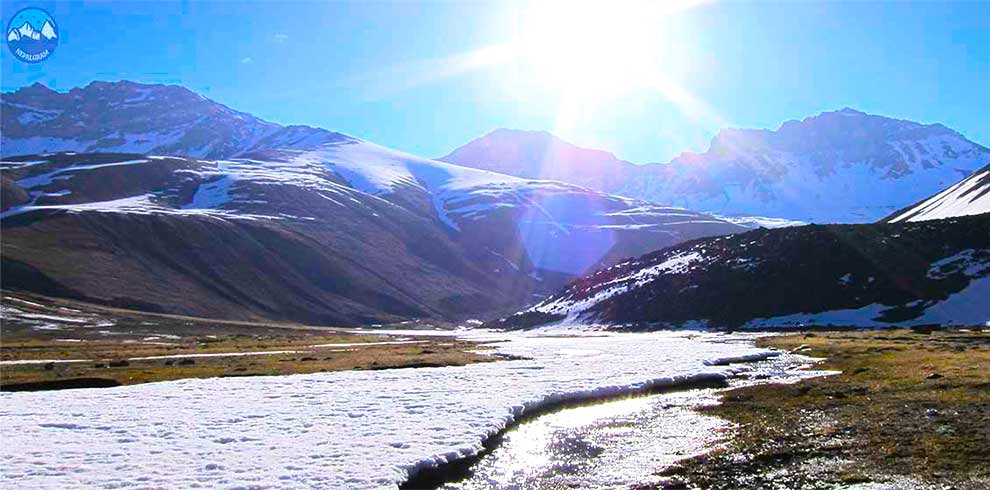
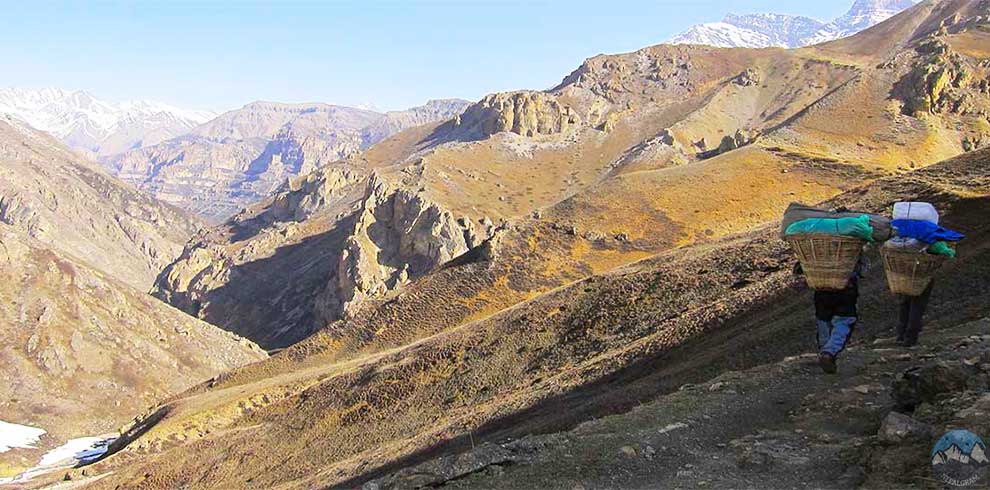
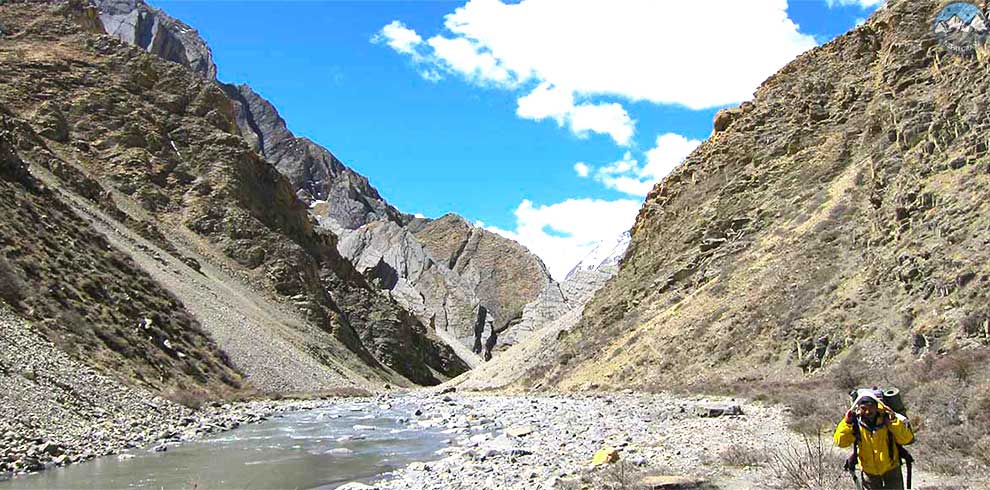
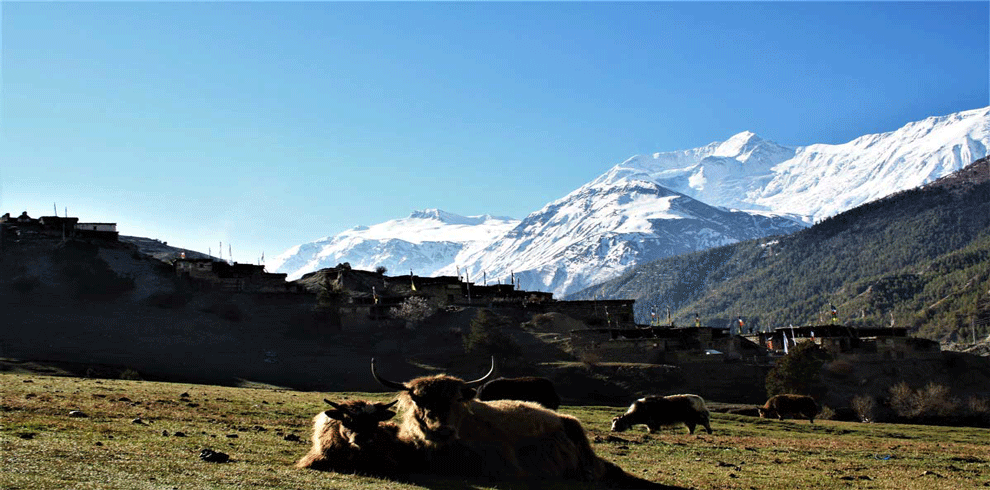
- A beautiful stroll through the home country of some of the tallest mountains in the world
- Take in the landscape and spectacular sights.
- Learn about the distinctive way of life and culture of the mountain people.
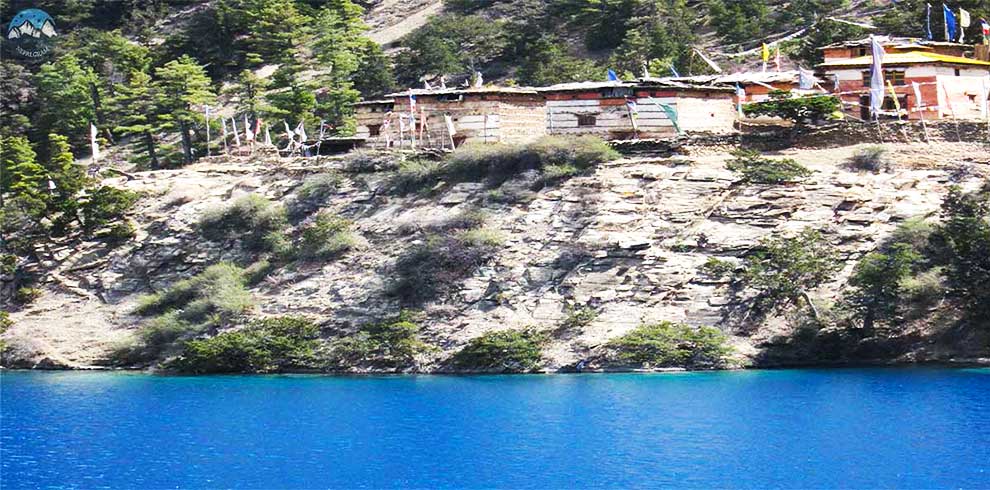
- Visit the magnificent monasteries that have been constructed over many years.
- Variety in Biodiversity
- Tibetan Buddhism and Bon are still practiced today.
 Big Group? We can help safer