Overview
Mount Manaslu, the eighth highest mountain in the world is a popular mountain for extreme mountaineering climbers. Mt. Manaslu Expedition takes you to the summit of Mt. Manaslu standing at an altitude of 8,163 meters (26,781 ft) above sea level. Manaslu is also known as “Kutang” is the eighth highest mountain in the world. It is located in the Mansiri Himal, part of the Nepalese Himalayas west-central part of Nepal. Work Manaslu means “Mountain of the Spirit”. Manaslu’s long ridges and valley glaciers provide feasible approaches from all directions culminating in a peak that towers steeply above its surrounding landscape. At least there are six different routes to climb Manaslu, of which the south face is the toughest in climbing history. Manaslu circuit trek offers awesome mountain views along with the immense Buddhism culture and tradition of Tibetian influence.
The Himalayas may be known for its sky-scraping mountains with monstrous glaciers but the toast of the town is its rugged and endless hiking trails. It has got way many tracks that start with plains and end up reaching the summit, one of the most prominent of which is the Manaslu Expedition.
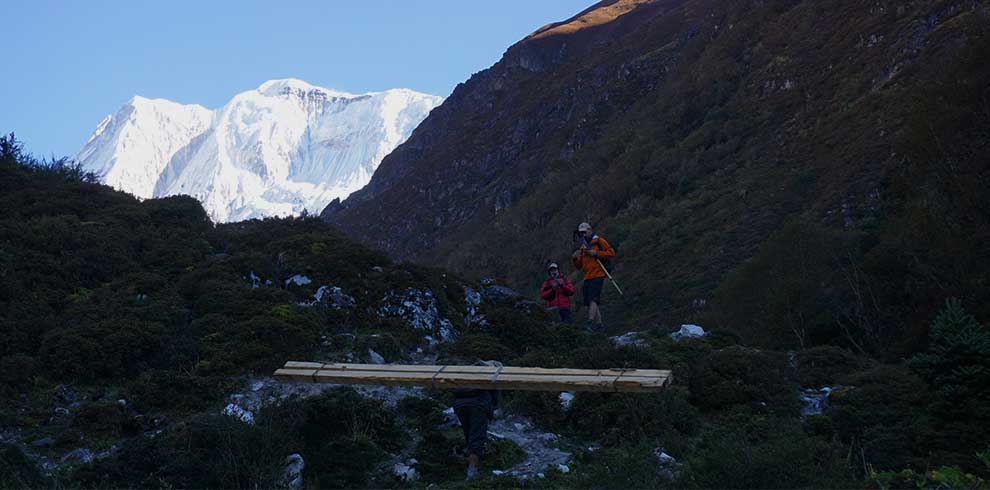
Mysterious until a few years ago, Manaslu is right now the most happening destination for trekkers and climbers. People from all over the world yearn to ascend the mountain given its easy access compared to other mountain hikes. Besides that, they also hope to take a glimpse of Ganesh Himal and Ngadi Chuli.
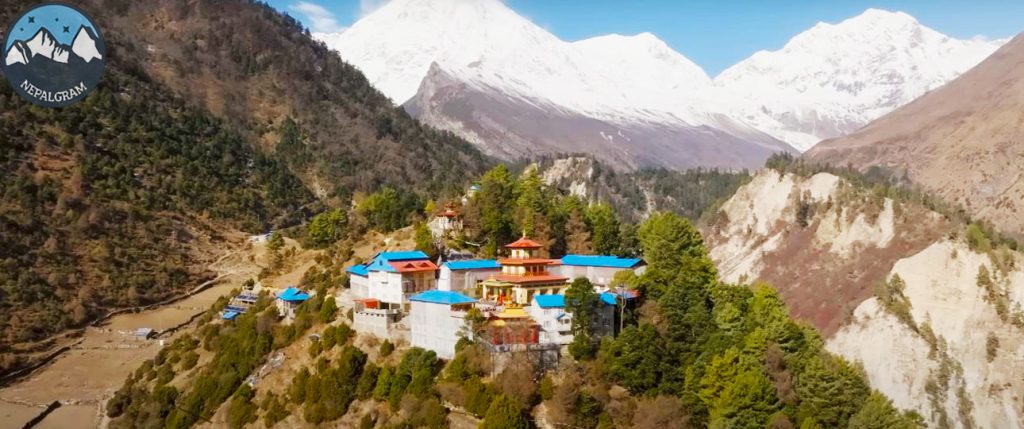
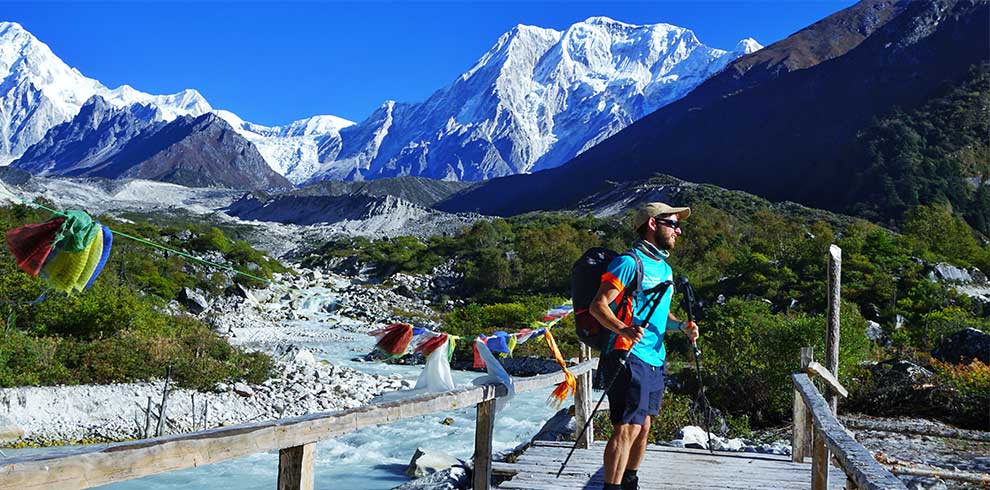
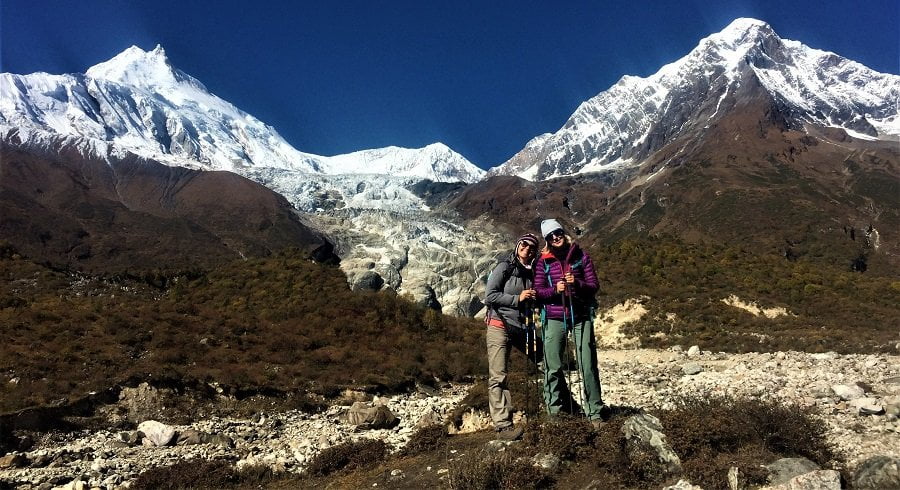
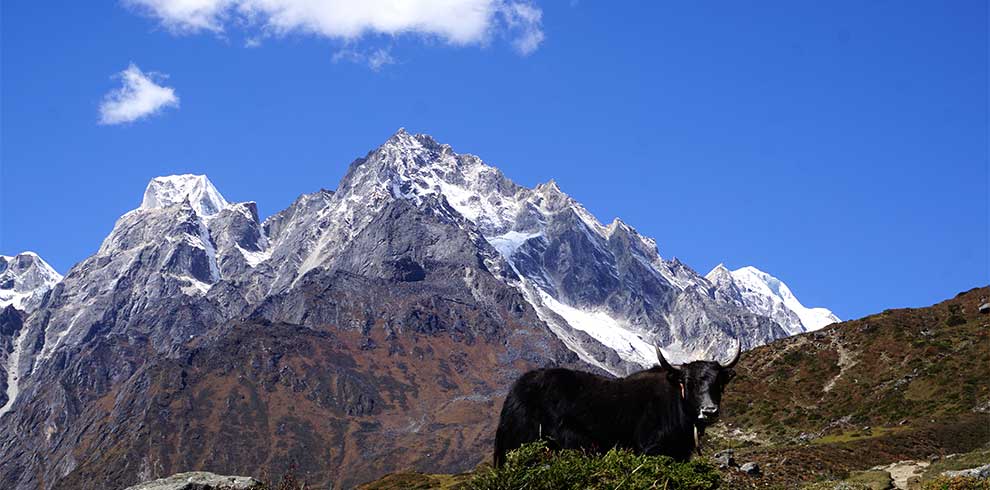
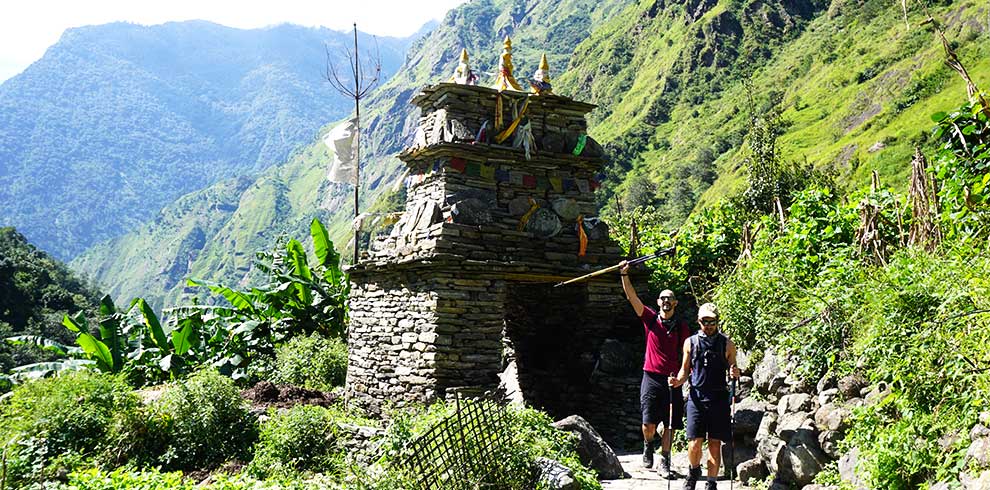
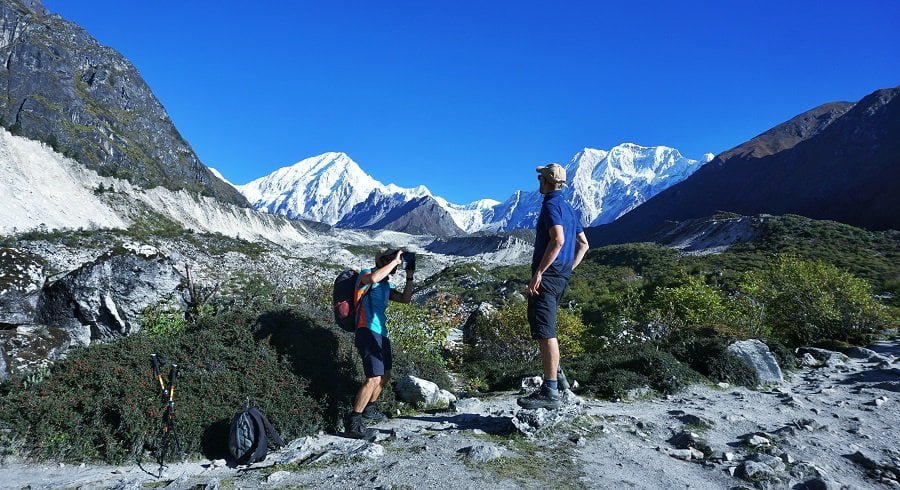
Manaslu is as pretty as a picture with rolling landscapes, verdant forests, steep cliffs, and unparalleled mountains. There are historic monasteries and well-preserved Chorten along the way to the acme, all aiding to make it an idyllic excursion.
Trails of Manaslu look magical during winter with snow-smeared views and fall foliage in autumn. They are a mix of rough terrain, wide-flat valleys, and stone stairs. Manaslu expedition will also have you walking through the woods of pine and fir.
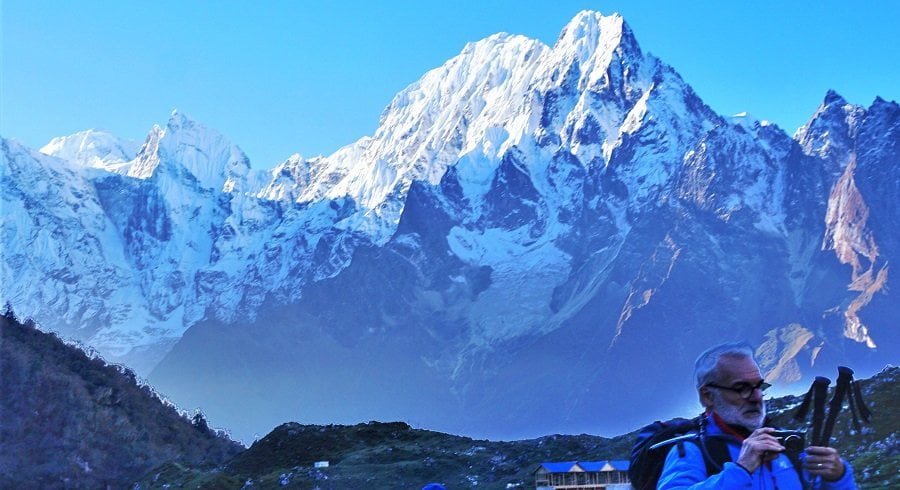
It is renowned as the eighth tallest mountain in the world, Manaslu lies in the Mansiri Himal in west-central Nepal. The peak rises sharply up to an elevation of 8,156 meters walking the snowy ridge and chain of hills.
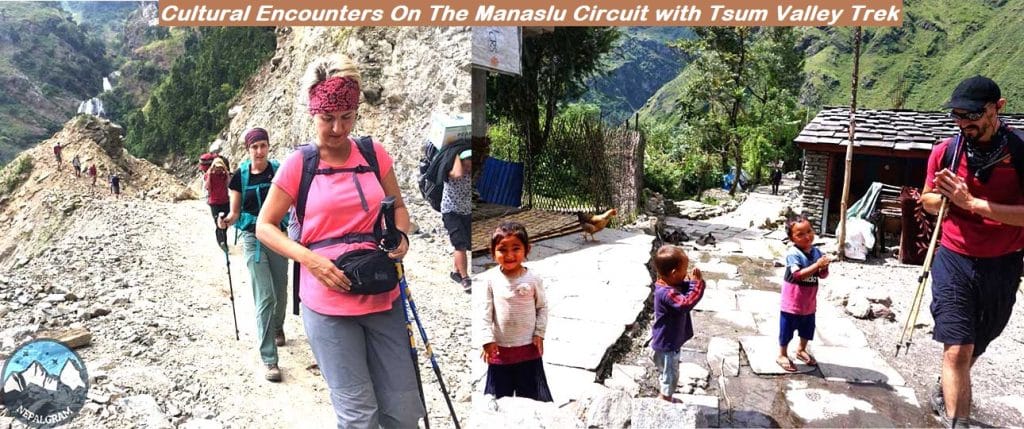
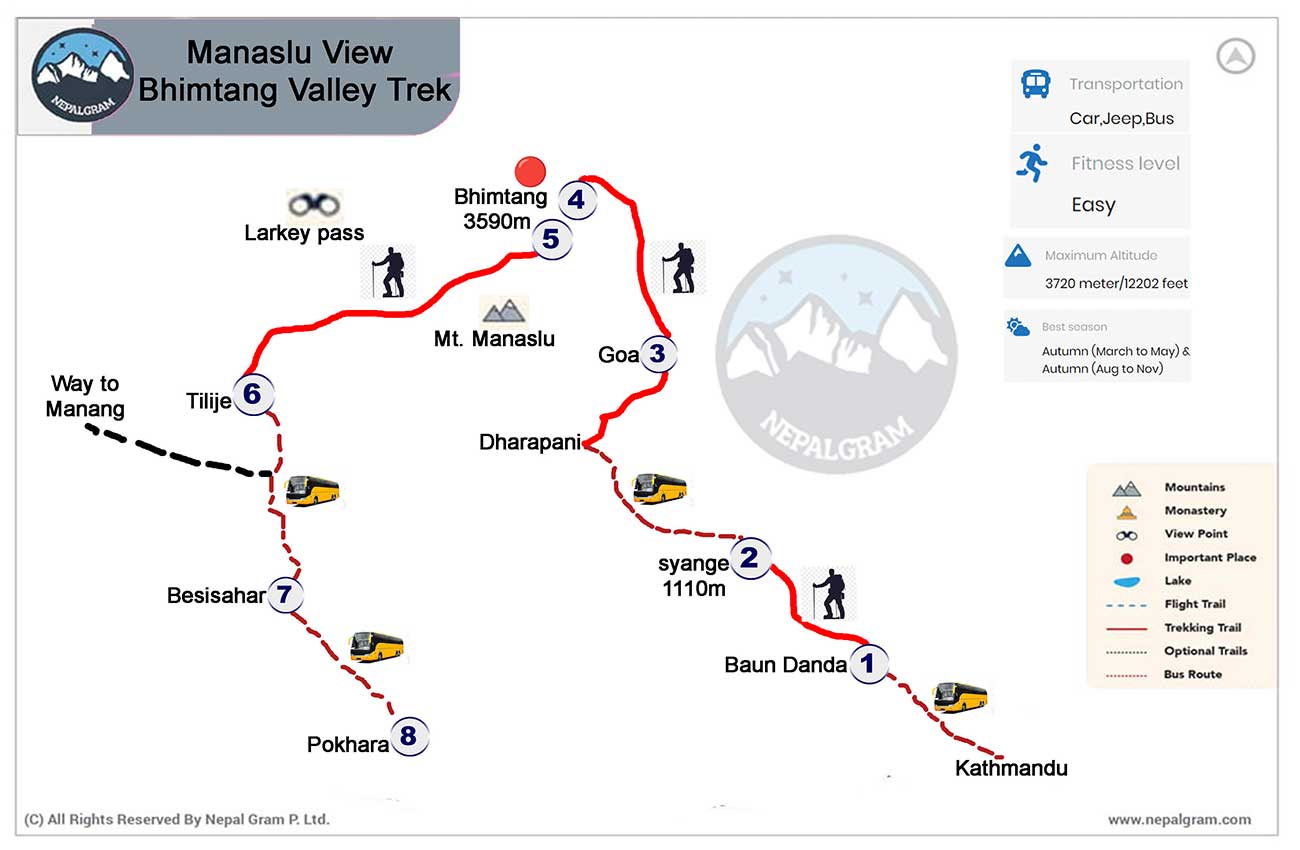
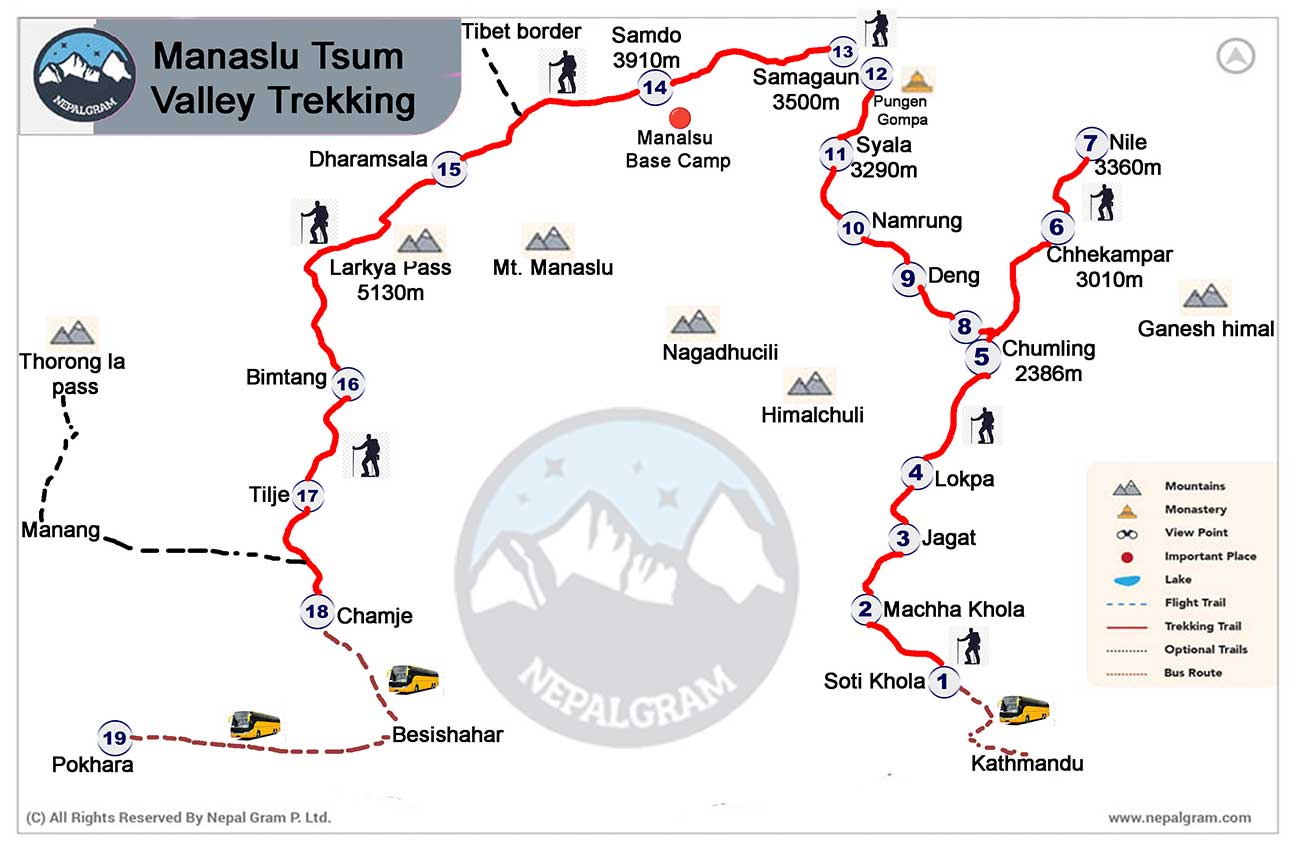
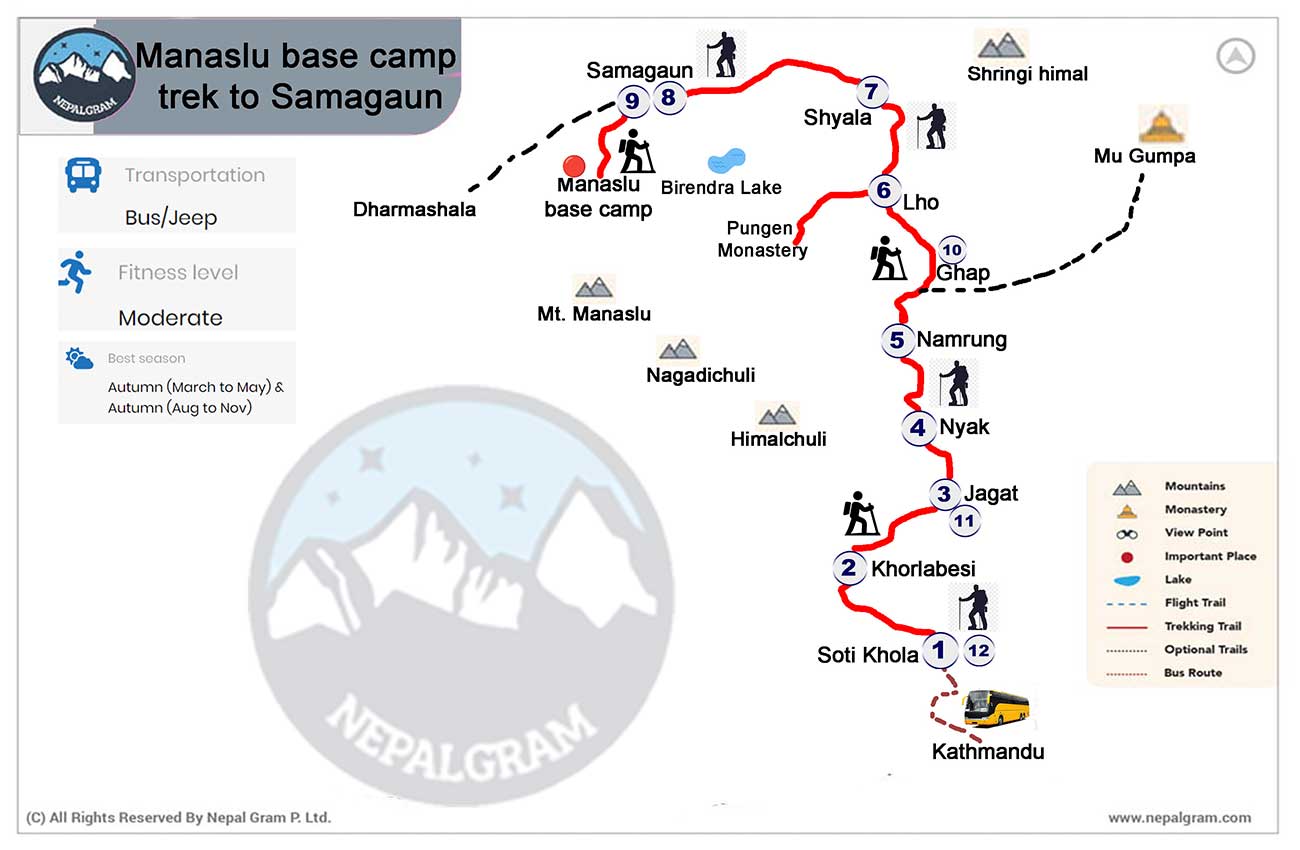
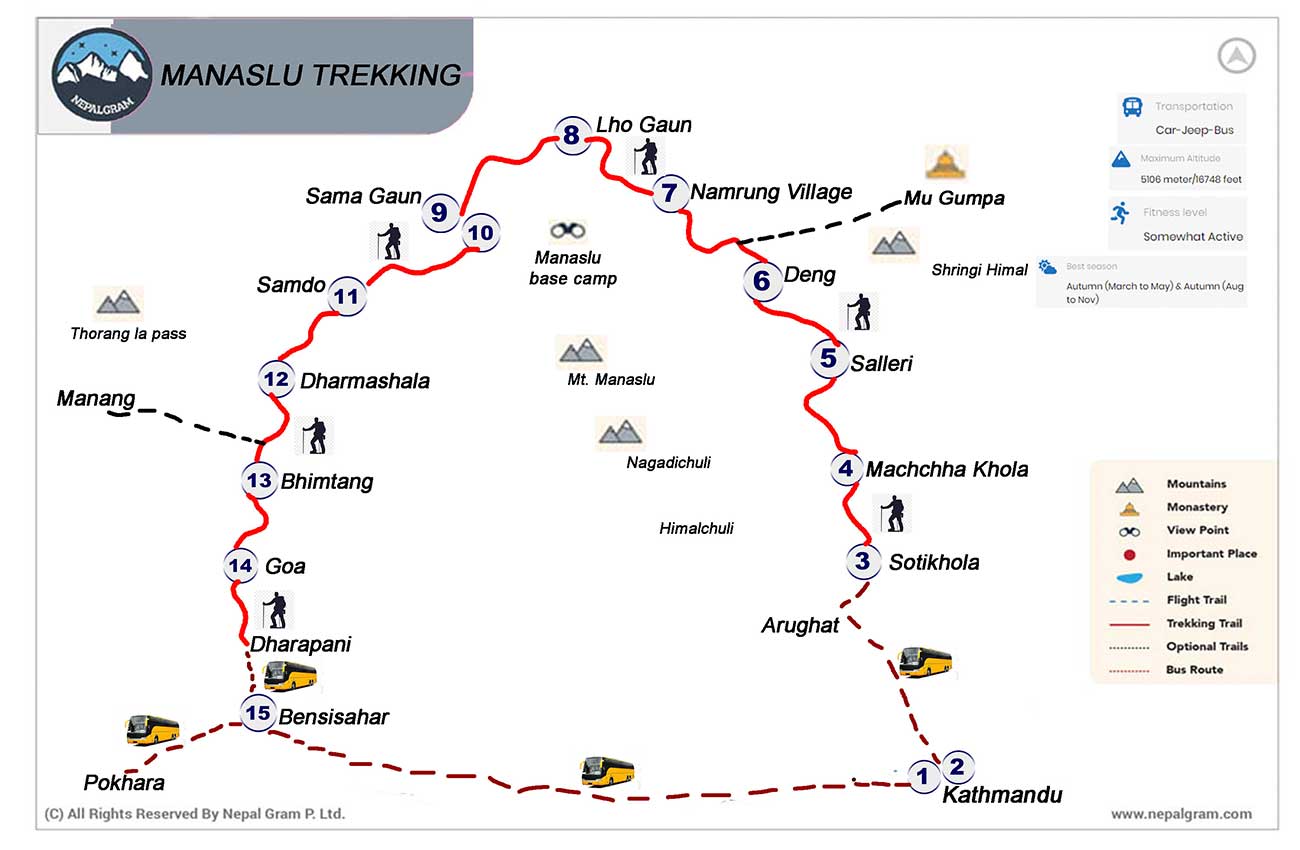
The Manaslu expedition starts with a thrilling drive to Soti Khola passing rivers and foothills. The trek officially starts from Arughat and walks by several villages including Machha Khola, Jagat, and Namrung.
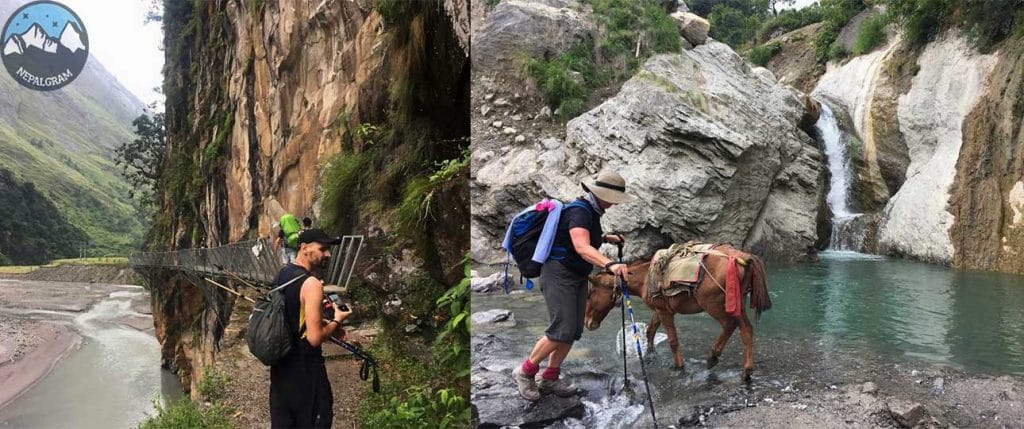
On the verge of walking the trail that extends 109 miles from Arughat, we’ll scramble steep trails of Samagaun, come across waterfalls, and scale the craggy region with snow. After spending over a month on the trail and acclimatization, we’ll finally climb the mountain.
The vista from the summit is staggering with the close shot of nearby mountains, sweeping landscapes, and glaciers. After climbing the peak, we’ll head back to the trail all the way to Soti Khola.
Manaslu Climbing Expedition Route
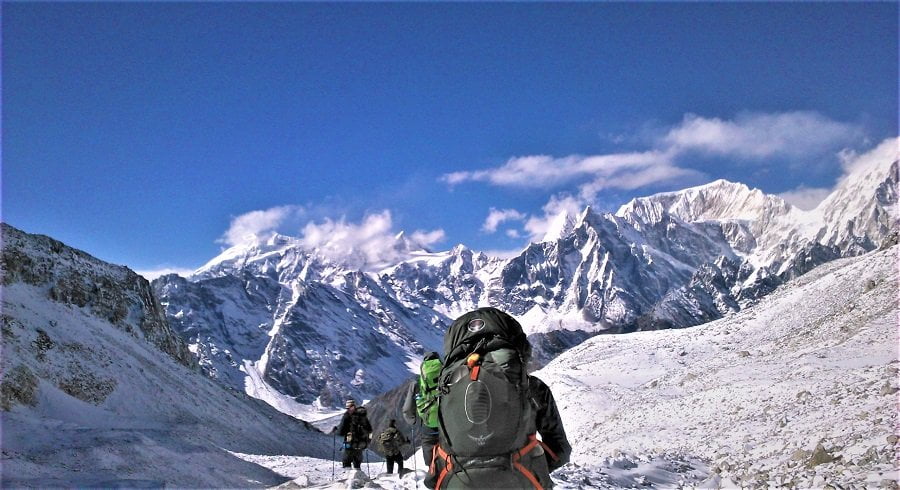
We follow the Burigandaki valley trail up to Sama Goan. Our first acclimatization day is scheduled at 4600 meters before we head up to Manaslu Base Camp at 4750 m. On the Manaslu Glacier, we carefully follow the bamboo marker wands.
Camp 1 (5700m/18,700ft)-04hrs:
You will be prepared for your attempt to ascend to camp 1, which is located at a height of 18,700 feet (5800 metres), once your climbing Sherpa guide has reviewed both basic and advanced training. You may experience a variety of terrain throughout this part of the climb, including short ice stretches on the glacier’s first segment and a few crevasses. You will come across moraine, granite slabs, and grassy slopes prior to the glacier part. It takes roughly four hours for the average climber. It takes roughly an hour to climb the initial part of the moraine, and three hours to reach the crampon point at the glacier’s mouth. Lower Camp One and Upper Base 1 are the two divisions of Camp One; they are separated by 100 metres (328 feet).
Camp 2 (6400m/21,000ft)-05hrs:
The most difficult part of Mt. Manaslu is the ascent from camp 1 to camp 2. You come across the centre of the icefall at this area. There are two ladder crossings, difficult snow climbing, and multiple steep sections on the ice after an hour or so of simply trudging through the snow. You should allow around five hours to complete this section. You should anticipate coming across a number of 100-meter-long, steep ice parts with a 65º slope. The centre of the route is Camp 2, which is situated above the icefall on a snow-covered terrace for the majority of travelers.
Camp 3(6800m/22,310ft)-02-03hrs:
The shortest climbing day will be from camp 2 to camp 3, which is the smallest distance. There aren’t any ladder crossings needed, however there are a few half-meter cracks that need to be jumped. Climbing Sherpa’s team is the primary method of fixing ropes. Most climbers find this part more comfortable, but be careful. There remains openness to wind and cold, and the ascent is still done on supported slants. There have been complaints of this section feeling hot due to direct sunlight, even though it is spring.
Camp 4 (7500m/24,606ft):
Even though it’s only a little distance, climbing from camp three to camp four feel like a lengthy day because you are getting closer to the death zone. It anticipates that any exertion, no matter how small or insignificant, will seem difficult because, as many climbers are aware, the amounts of oxygen are low at this altitude. This segment requires you to climb on a 50–55º slope in steep snow for three to four hours. The ethos portion is prone to avalanches due to the snow slope covering a layer of ice, making it hazardous. This part of the trip is excessively physically demanding in comparison to other parts, with long, steep snow portions at high altitudes in landslide terrain.
Summit (8156m/26,759ft)-16-17 hrs:
Summit day, the main goal during the climbing period. Most climbers begin their suThe primary objective of the climbing time is the summit day. The majority of climbers start their summit push at 1:00. They should arrive at the top between seven and ten in the morning if all goes according to plan. A false peak is located underneath the central panel, and an exposed ridge leads to the leading conference. After the meeting, it takes roughly four hours to get back to Camp 4 and an additional two hours to spend the night in Camp 3. As you rise through multiple basins with small snow headwalls, the early portion of the climb is not technical. For an amazing view of the mighty mighty Himalaya, the ascent ends on an exposed ridge after passing the false peak. Sherpa guides from Nepalgram Adventures will repair ropes, break the trail, and do everything in their power to help the group reach the top of the eighth-highest mountain in the world.mmit bid at 1:00 is. If all goes well, they reach the summit between 7-10 am. Below the central panel is a false summit; the leading conference reached via an exposed ridge. It takes about 4 hours to return to Camp 4 from the meeting and another 2 hours to camp three for an overnight stay. The climbing is not technical in the early part as you ascend through several basins with short snow headwalls. The climb passes the false summit and finishes on an exposed ridge to the proper meeting for a spectacular view of the mighty Himalaya. Nepalgram Adventures Sherpa guides will fix ropes break trail and make every effort to assist the group in reaching the summit of the world’s 8th highest mountain.
Best time for Manaslu Expedition
Until and unless you’re climbing base camp, there’s no need to think about which time is best to visit Manaslu. But if you’re scrambling the trail all the way to the summit, then it becomes a must to hike the mountain during prime trekking season which is either spring or autumn.
It’s the perfect space of time to climb Manaslu provided warm weather and mild atmospheric conditions. As soon as the monsoon cloud moves away, the weather gets clear again with a bright sky in autumn. There’s a colorful setting everywhere with the green leaves turning into gold and red-tinted.
The dust-free air in autumn improves visibility and provides a sheer view. Starting off September, the temperature ranges from 7 to 21 Degree Celsius, causing days to be hot and mellowy while nights cool and placid.
Other than autumn, spring also has got likable weather with mild days and crisp nights. After months-long cold winter, it brings the sunshine back making the trip delightful. Spring temperature ranges anywhere from -6 to 10 Degree Celsius.
Unlike autumn, it brings nature back to life with green foliage everywhere. The fragrance of wildflowers and rhododendron can be whiffed all over the forests. You can explore the frisky side of Manaslu by walking through the forest and screening wildlife.
Winter and monsoon is definitely not the companion you want during the Manaslu expedition. They’ll only create trouble for the hikers adding to the difficulty level. Winter really has the worst weather with temperature dripping as low as -10 Degree Celsius.
It’s complicated to keep the mind stable in such circumstances which is the reason many trekkers give up on the expedition. Likewise, Monsoon sees heavy rainfall which induces the trail to be slippery. The passing clouds with rain also obstruct the views which make hiking worthless.
Major Highlights
- Mt Manaslu is the world's 8th highest peak.
- A beautiful expedition up a remote valley, through villages and forests
- The route from Manaslu Base Camp to Camp 1(5500m) includes rock scrambles on the moraine.
- The most technical section of the climb is between Camp I ( 5500m) and Camp II ( 6400m)
- The route to Camp III (7400m) has some short steep sections of ice and snow.



 Big Group? We can help safer