

-
5143 meter/16869 feet
-
Autumn (March to May) & Autumn (Aug to Nov)
-
Breakfast-Lunch-Dinner
Kanchenjunga basecamp trekking overland date availability
Details itinerary of Kanchenjunga basecamp trekking by overland
In the early morning we will go to the domestic terminal of Kathmandu airport and fly for 35 minutes to Biratnagar ( itahari)
bus or jeep vehicle or have hired a private vehicle, you can drive from Itahari to Phidim. The journey takes approximately 6-8 hours depending on road conditions and traffic.
Cost of Kanchenjunga basecamp trekking overland
| S.No. | Luxury | All Incl | Service | |
| 1 | Cost (in USD $) Details | |||
| 2 | Licensed Guide | √ | √ | √ |
| 3 | Accommodation during trek | Standard | Private | × |
| 4 | Transportation to trek start point | Private | Shared | Shared |
| 5 | Shower | √ | √ | √ |
| 6 | Airport/bus terminal Shuttle service | Private | Private | × |
| 7 | Hotel at KTM | 5 Star | × | × |
| 8 | Food on trek (BLD) | Unlimited Meal | 3 Meal | × |
| 9 | Desert | From Menu | Fresh Fruit | × |
| 10 | Soft drink | unlimited | 1 | × |
| 11 | Porter | Private | Shared | × |
| 12 | Company Cap & T-shirt | √ | √ | × |
| 13 | Dawn Jacket & Sleeping – bag to be returned | √ | √ | × |
| 14 | Hard drink | Local Brand | × | × |
| 15 | Warm up hike | √ | × | × |
| 16 | Farewell party/dinner | √ | × | × |
| 17 | Buffer day for trek | √ | × | × |
| 18 | Food in the city | × | × | × |
About Kanchenjunga basecamp trekking by overland
Best route for kanchenjunga base camp
To reach the Kanchenjunga Base Camp from Phidim, which is in the eastern part of Nepal, you’ll typically start your journey by traveling to Taplejung, which is the nearest major town to the Kanchenjunga region. As Tapthok is a common starting point for many treks in the region, you can first travel from Phidim to Suketar. This journey can be done by bus or jeep, and it takes around 6-8 hours depending on road conditions.
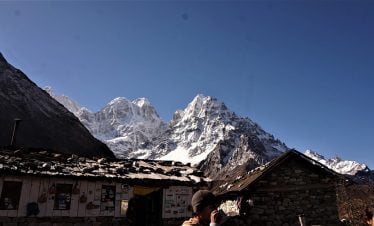
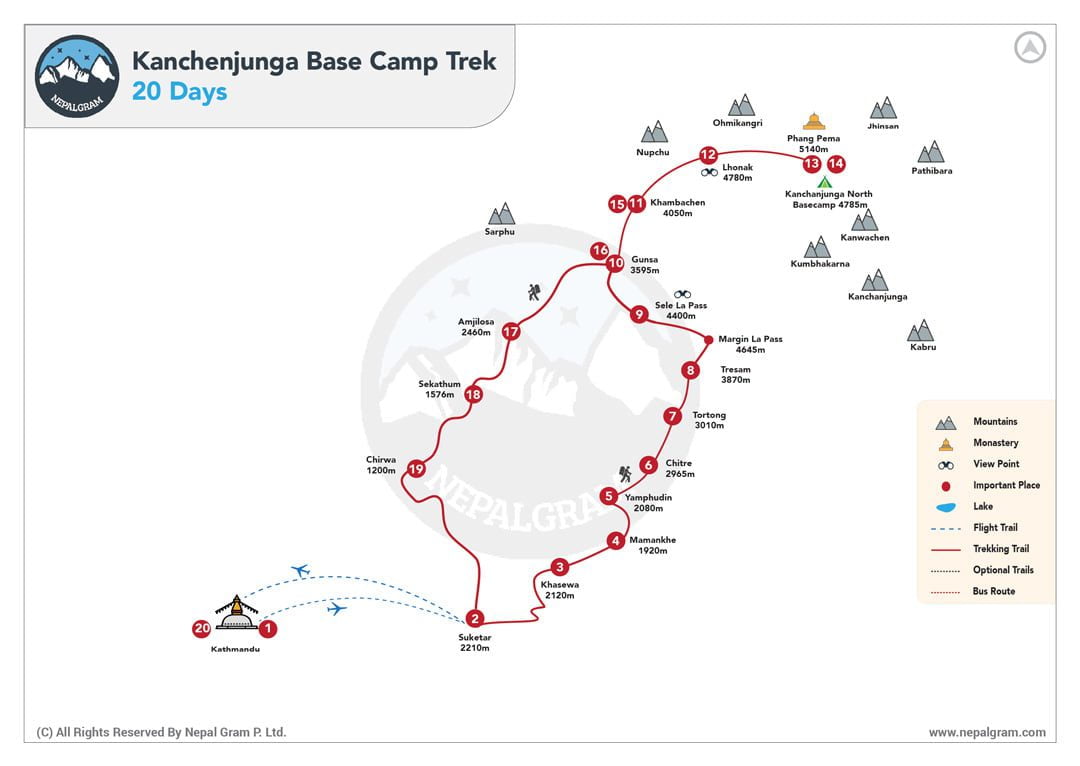
then after we reach Amjilosa is a picturesque village located along the Kanchenjunga trekking route. It’s situated at an altitude of around 2,460 meters (8,070 feet) above sea level. The village offers basic accommodation options such as tea houses or guesthouses where trekkers can rest and replenish their supplies before continuing their journey.
Trek from Amjilosa to fale, where you’ll be surrounded by towering peaks and pristine wilderness. This segment typically takes around 5-6 hours. Continue trekking from fale to Ghunsa, a picturesque village with Tibetan influences. Along the way, you’ll pass through lush forests and enjoy panoramic mountain views. This part of the trek takes approximately 5-7 hours.
Trek from Ghunsa to Kambachen, where you’ll be treated to views of towering peaks and glaciers. This segment typically takes around 5-6 hours. rek from Kambachen to Lhonak, a remote settlement with breathtaking views of the Kanchenjunga massif. This part of the trek usually takes around 4-5 hours.
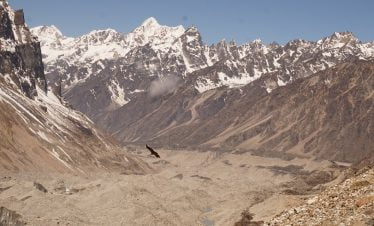
Finally, trek from Lhonak to Kanchenjunga Base Camp, also known as Pangpema. This is the closest you can get to the majestic Kanchenjunga peak without mountaineering. Enjoy the awe-inspiring views of the surrounding glaciers and peaks. This segment typically takes around 3-4 hours.
Kanchenjunga base camp temperature
The temperature at Kanchenjunga Base Camp varies depending on the season and the time of day. Generally, the base camp experiences cold temperatures due to its high altitude and mountainous environment. Here’s a breakdown of the temperature range you can expect:
Spring (March to May):
Daytime temperatures: During the daytime, temperatures at the base camp can range from around 5°C to 15°C (41°F to 59°F).
Nighttime temperatures: Nighttime temperatures can drop significantly, ranging from around -5°C to 5°C (23°F to 41°F).
Summer (June to August):
Daytime temperatures: Daytime temperatures can vary from around 10°C to 20°C (50°F to 68°F).
Nighttime temperatures: Nighttime temperatures may range from around 0°C to 10°C (32°F to 50°F), but they can sometimes drop below freezing.
Autumn (September to November):
Daytime temperatures: Daytime temperatures during autumn are similar to those in spring, ranging from around 5°C to 15°C (41°F to 59°F).
Nighttime temperatures: Nighttime temperatures can drop below freezing, ranging from around -5°C to 5°C (23°F to 41°F).
Winter (December to February):
Daytime temperatures: Daytime temperatures at Kanchenjunga Base Camp during winter can range from around -5°C to 5°C (23°F to 41°F).
Nighttime temperatures: Nighttime temperatures drop significantly during winter, often reaching well below freezing, with temperatures ranging from around -15°C to -5°C (5°F to 23°F).
Highlights of Kanchenjunga basecamp trekking by overland
- The trek starts with picturesque landscapes and stunning views of the eastern Nepali countryside as you leave Phidim and make your way towards the Kanchenjunga region.
- Along the trekking route, you'll encounter several ethnic communities such as the Limbu, Rai, Sherpa, and Tibetan peoples, each with their own unique culture, traditions, and architecture.
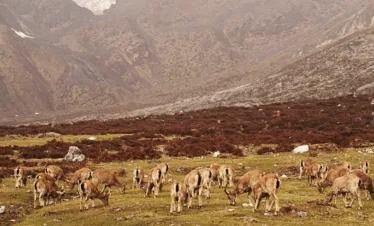
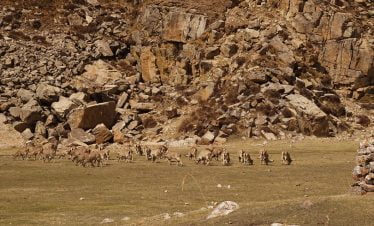
- The trek takes you through diverse ecosystems, including lush forests of rhododendron, oak, pine, and bamboo. This region is also home to a variety of wildlife, including the elusive snow leopard, red panda, musk deer, and numerous bird species.
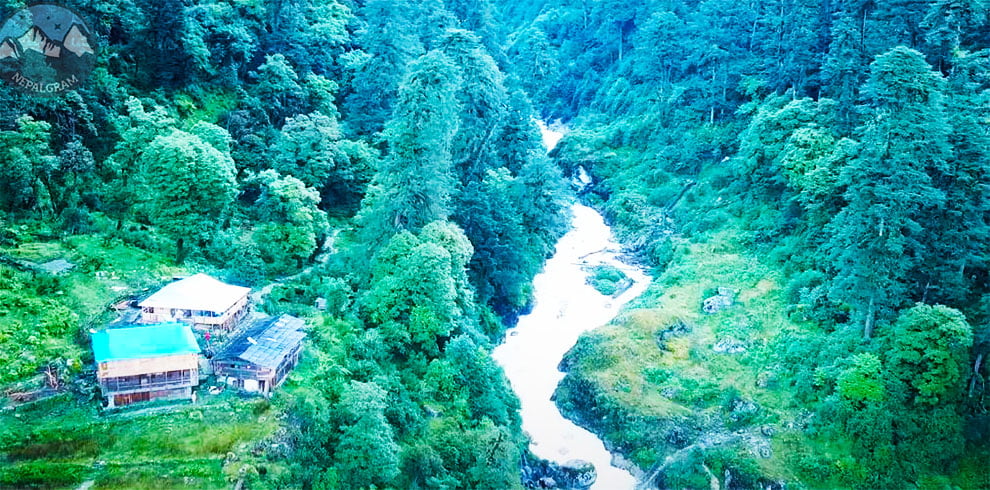
- As you trek through the region, you'll pass through remote villages such as Chirwa, Sekathum, Amjilosa, and Ghunsa, where you can experience the local way of life and hospitality.
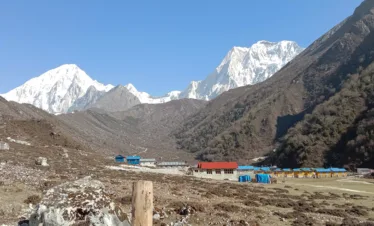
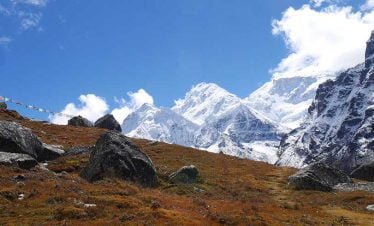
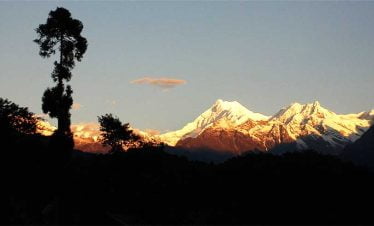
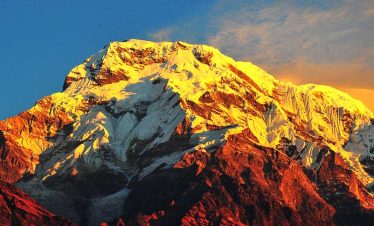
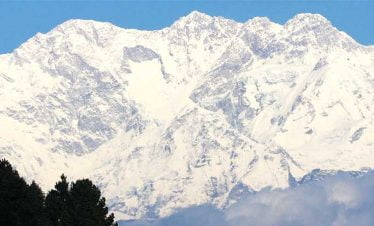
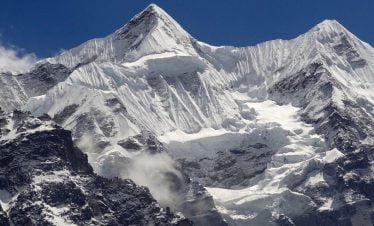
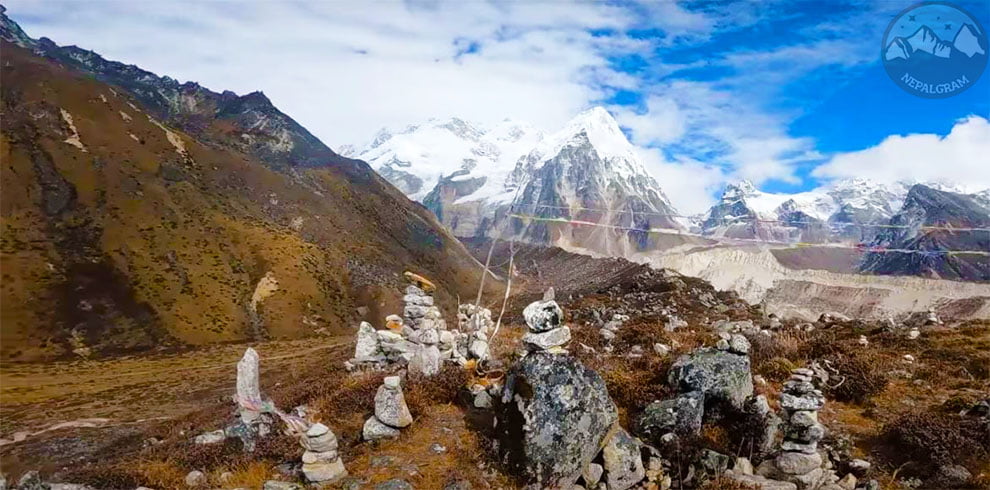
- Throughout the trek, you'll be treated to breathtaking views of snow-capped peaks, including Mount Kanchenjunga, the third highest mountain in the world, along with other prominent peaks like Jannu (Kumbhakarna), Yalung Kang (Kanchenjunga West), and Kabru.
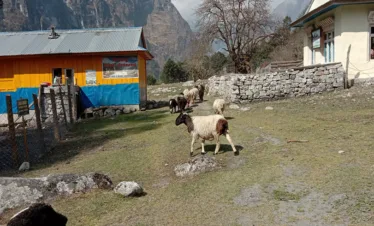
- Ghunsa village is a major highlight along the route. It's a beautiful settlement with Tibetan influences, surrounded by stunning landscapes. It's also a great place for acclimatization and rest before continuing the trek.
- The entire trek lies within the Kanchenjunga Conservation Area, one of Nepal's largest protected areas, renowned for its biodiversity and natural beauty.
- Nearby attractions include the Yalung Glacier and Ramtang Monastery, which offer additional opportunities for exploration and sightseeing.
Cost Includes of Kanchenjunga basecamp trekking overland
- Breakfast, Lunch and Dinner during the trek and fresh fruit every night after dinner.
- All accommodation during the trek.
- All necessary paperwork, entry permits & entrance fee.
- English speaking and trained, Government licensed guide including all his salary, food, drinks, accommodation, transport and insurance during the trek.
- A helpful porter with proper equipment (one porter for two people).
- Medical supplies (first aid kit) with regular oxygen saturation check up.
- All government taxes and office expenses.
- Added Value - (1) Dawn sleeping bag, Dawn Jacket to be returned after the trek (2) Waterproof duffel Bag, Walking Poles, quick dry T-shirt, Cap - to take away (3) Oxymeter to check your oxygen saturation and Heart beat with medical kit box carried by Guide (4) Satellite Phone for extremely remote destination.
Cost Excludes of Kanchenjunga basecamp trekking overland
- International airfare.
- Nepal entry visa fee (you may easily issue the visa upon your arrival at International Airport – Kathmandu).
- Tips/Gratitude (expected but not compulsory)
- Your Travel and medical insurance for emergency, we assist you with the arrangement
- All alcoholic and non-alcoholic hot and cold drinks, except tea/coffee with breakfast.
The Kanchenjunga Base Camp trek is considered to be a challenging trek, both in terms of its duration and the terrain encountered along the route. The trek typically takes around 18-22 days to complete, depending on the specific itinerary chosen. The long duration of the trek requires a good level of physical fitness and endurance to sustain for several weeks in the mountains.
The trek involves ascending to high altitudes, with the highest point being Kanchenjunga Base Camp at around 5,160 meters (16,929 feet) above sea level. Altitude sickness can be a concern for trekkers, and proper acclimatization is essential to mitigate the risk.
The length of the trek to Kanchenjunga Base Camp can vary depending on the specific route taken and the itinerary chosen by trekkers. However, the typical duration of the trek is around 20-25 days for the entire round trip from the starting point to the base camp and back.
The cost of trekking to Kanchenjunga Base Camp in Nepal can vary depending on several factors, including the duration of the trek, the route chosen, the services included, and your personal preferences.
–Permits and Fees
–Guide and Porter Fees
-Accommodation and Meals
-Transportation
-Equipment and Gear
–Miscellaneous Expenses
Overall, the total cost of trekking to Kanchenjunga Base Camp can range from USD 1800 to USD 2,500 or more per person for a 20-25 day trek
Yes, trekking is allowed in the Kanchenjunga region of Nepal. Kanchenjunga is one of the most remote and least-visited areas for trekking in Nepal, but it offers stunning natural beauty, diverse landscapes, and unique cultural experiences for adventurous trekkers.
To trek in the Kanchenjunga region, you need to obtain the necessary permits from the appropriate authorities. These permits typically include the Kanchenjunga Conservation Area Permit and the Restricted Area Permit, as parts of the region are designated as restricted areas due to their proximity to the border with Tibet.
Climbing Kanchenjunga, the third highest mountain in the world, presents several significant challenges that make it a difficult and demanding endeavor even for experienced mountaineers.
Kanchenjunga stands at an elevation of 8,586 meters (28,169 feet) above sea level. At such high altitudes, climbers face decreased oxygen levels, making breathing difficult and increasing the risk of altitude-related illnesses such as altitude sickness, edema, and hypoxia.
Kanchenjunga is known for its challenging climbing routes, with steep slopes, icy ridges, and crevassed glaciers. Climbers must navigate through complex terrain that requires technical skills in ice climbing, rock climbing, and glacier travel.
Comparing the difficulty of climbing Kanchenjunga to Everest is subjective and depends on various factors, including the route chosen, weather conditions, climbing experience, and personal capabilities of the climbers. Both mountains present significant challenges, but they differ in certain aspects:
Everest is the highest mountain in the world, standing at 8,848 meters (29,029 feet) above sea level, while Kanchenjunga is the third highest, with an elevation of 8,586 meters (28,169 feet). In terms of altitude, Everest is higher and therefore presents greater challenges related to altitude sickness, hypoxia, and decreased oxygen levels.
Both Kanchenjunga and Everest have challenging climbing routes, but Everest is known for its technical difficulty, especially on the popular Southeast Ridge route from Nepal and the Northeast Ridge route from Tibet. These routes involve steep ascents, technical rock and ice climbing, and traversing the Khumbu Icefall, which is notorious for its crevasses and seracs. Kanchenjunga also has technical sections, including icy slopes, crevassed glaciers, and rocky ridges, but it may not have the same level of technical difficulty as Everest.
The best time to visit Kanchenjunga for trekking and exploring the region is during the spring and autumn seasons, which offer the most favorable weather and optimal trekking conditions.
Yes, it is possible to see Mount Everest from certain vantage points along the trekking routes in the Kanchenjunga region, particularly on clear days with good visibility. While Kanchenjunga itself is the third highest mountain in the world, it is located several hundred kilometers east of Mount Everest.
The trek to Kanchenjunga Base Camp is challenging, and there isn’t a route considered “easy” due to the rugged terrain, high altitude, and remote location of the region. However, among the various trekking routes to Kanchenjunga Base Camp, the one starting from the south side in Taplejung district and trekking through villages like Taplejung, Chiruwa, Lelep, and Amjilosa is often considered relatively less strenuous compared to other routes. This southern route follows the Ghunsa River valley and passes through lush forests, terraced fields, and traditional villages.
However, it’s important to note that even though this route may be considered less challenging than other routes, trekking to Kanchenjunga Base Camp still requires a good level of physical fitness, endurance, and acclimatization to the high altitude. Additionally, the duration of the trek is typically around 20-25 days, so it’s a long and demanding journey regardless of the route chosen.
It’s highly recommended to trek with an experienced guide and to ensure proper preparation and acclimatization before attempting the trek to Kanchenjunga Base Camp, regardless of the route chosen. Additionally, trekkers should be prepared for various weather conditions, remote and rugged terrain, and limited infrastructure along the trekking route.
More information about Kanchenjunga basecamp trekking overland
Nestled in the lap of the Eastern Himalayas, the Kanchenjunga Base Camp Trek stands as a testament to nature’s grandeur and untamed beauty. As one of the lesser-explored trekking routes, embarking on this journey promises a unique adventure, immersing trekkers in a world of breathtaking landscapes, diverse flora and fauna, and authentic cultural encounters. In this comprehensive guide, we delve into the allure of Kanchenjunga basecamp trekking by overland, unlocking the secrets of this mesmerizing expedition.

Kanchenjunga basecamp trekking by overland offers a once-in-a-lifetime adventure for those willing to seek it out. From the rugged terrain to the warm hospitality of the local communities, every aspect of this journey is a testament to the wonders of the Himalayas. So, lace up your boots, pack your sense of adventure, and embark on an unforgettable odyssey to the base of the mighty Kanchenjunga.
Is Kanchenjunga basecamp trekking by overland difficult ?
First and foremost, understanding the terrain is crucial in assessing the difficulty of the Kanchenjunga basecamp trekking by overland. The route traverses through a variety of landscapes, including dense forests, rugged terrain, high mountain passes, and glaciated valleys. While some sections may be relatively moderate, others pose significant challenges, such as steep ascents, narrow trails, and unpredictable weather conditions.
One of the primary challenges of trekking to Kanchenjunga Base Camp is the altitude. The journey takes trekkers to elevations exceeding 5,000 meters (16,400 feet), where oxygen levels are significantly lower. Altitude sickness, characterized by symptoms such as headache, nausea, and fatigue, can pose a serious risk to trekkers if not properly acclimatized. Therefore, ascending gradually, staying hydrated, and listening to your body are essential in mitigating the effects of altitude.
Weather conditions in the Himalayas are notoriously unpredictable, adding another layer of complexity to the trek. Trekkers may encounter a wide range of weather conditions, from clear skies and sunshine to rain, snow, and high winds. These conditions can affect trail conditions, visibility, and overall comfort, requiring trekkers to be prepared with appropriate clothing, gear, and contingency plans.
Is Kanchenjunga more difficult than Everest ?
Comparing the Difficulty of Kanchenjunga and Everest Treks, Kanchenjunga and Everest are both iconic peaks in the Himalayas, each holding a distinct allure for trekkers and mountaineers. When it comes to trekking, comparing the difficulty of these two journeys is a complex task that involves considering various factors. In this analysis, we delve into the nuances of Kanchenjunga and Everest treks, examining their respective challenges to determine which is more difficult.
One of the most significant factors contributing to the difficulty of both Kanchenjunga and Everest treks is altitude. Everest Base Camp sits at an elevation of approximately 5,364 meters (17,598 feet), while Kanchenjunga Base Camp is at around 5,160 meters (16,929 feet). In terms of altitude alone, Everest Base Camp is slightly higher, but the difference is not substantial enough to significantly impact the difficulty level.
comparing the difficulty of Kanchenjunga and Everest treks is a complex task that involves considering various factors. While Everest Base Camp may have slightly higher altitude and more challenging terrain and weather conditions, Kanchenjunga Base Camp trek presents its own unique challenges, including remoteness and logistical complexities. Ultimately, both treks offer incredible opportunities for adventure and exploration in the majestic Himalayas, each rewarding trekkers with unforgettable experiences and breathtaking vistas.
Kanchenjunga basecamp trekking by overland Outline Itinerary-12 Days
- Day 01: Fly from Kathmandu to Itahari
- Day 02: Drive to phidim
- Day 03: Drive to Tapthok (1300 m) from phidim -12 hours’ drive.
- Day 04: Trek to Amjilosa (2310 m) 6- 7 hour.
- Day 05: Trek to Fale (3430 m) 8-9 hours.
- Day 06: Trek to Gunsa (3595 m) 2 hour trek acclimatize and walk around the village.
- Day 07: Trek to khambachen (4050 m) 6 hours.
- Day 08: Trek to Lhonak (4780 m) 6 hours.
- Day 09: Trek to Kanchenjunga base camp (5140 m) and back to Khambchen.
- Day 10: Trek to Ghunsa (3595 m) 5-6 hours.
- Day 11: Trek to Sele la Kharka (4200 m) 7 hours.
- Day 12: Trek over sele le pass – trek down to Tseram (3870m).
- Day 13: Trek to Oktang Base camp (4700m) 7 hours.
- Day 14: Trek to Torongden (3000 m) 6hours.
- Day 15: Trek to Sherpa gaun (2200 m) 7 hours.
- Day 16: Trek to Khebang (1800 m) 6 hours.
- Day 17: Drive to Phedim
- Day 18: Drive to Itahari
- Day 19: Drive back to Kathmandu.
This trip is 100% customizable
 Big Group? We can help safer
Special request? We fit
Different Itinerary? We moderate
QUICK INQUIRY
KNOW BEFORE BOOKING
TRIP Deposit is 92% refundable & 100% Transferable
Middleman free & Transparent
READ the DEFINITION OF Trip Difficulty
USE Multiple Payment Options