General Information about Upper Mustang high pass trek
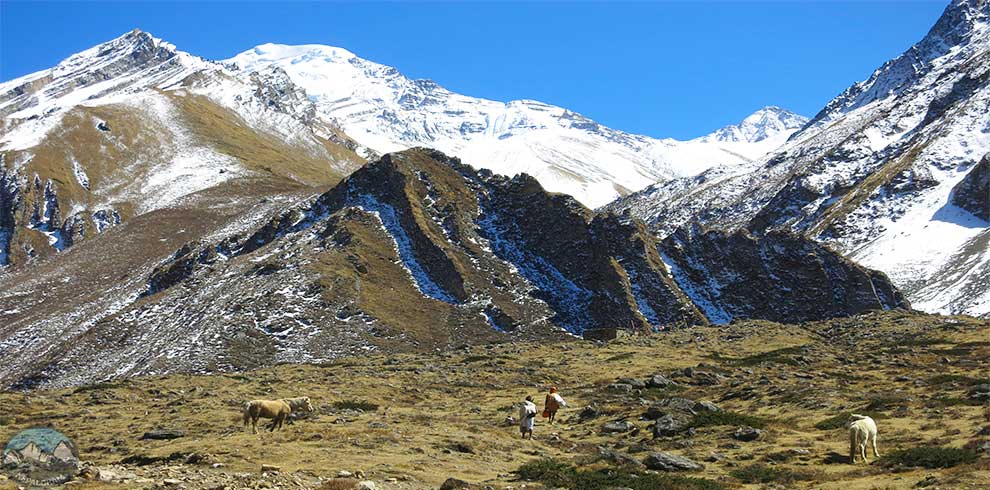
Upper Mustang high pass trek is a challenging and remote trek that takes you through the rugged landscapes of the Upper Mustang region in Nepal. The trek is known for its spectacular mountain views, unique Tibetan culture, and challenging high passes.
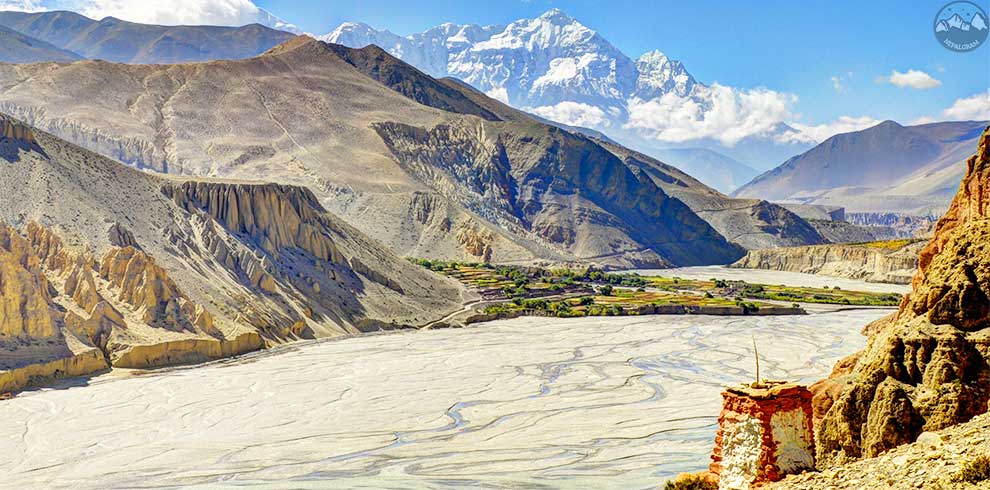
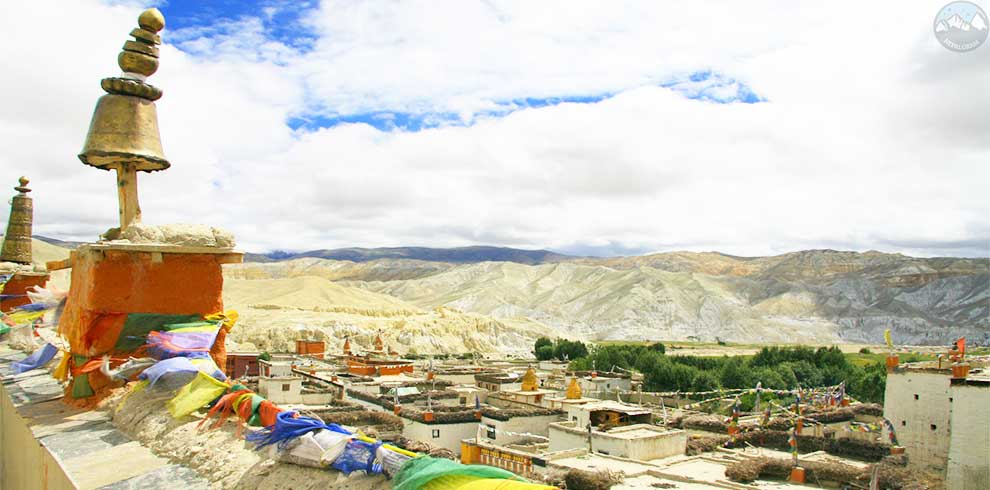
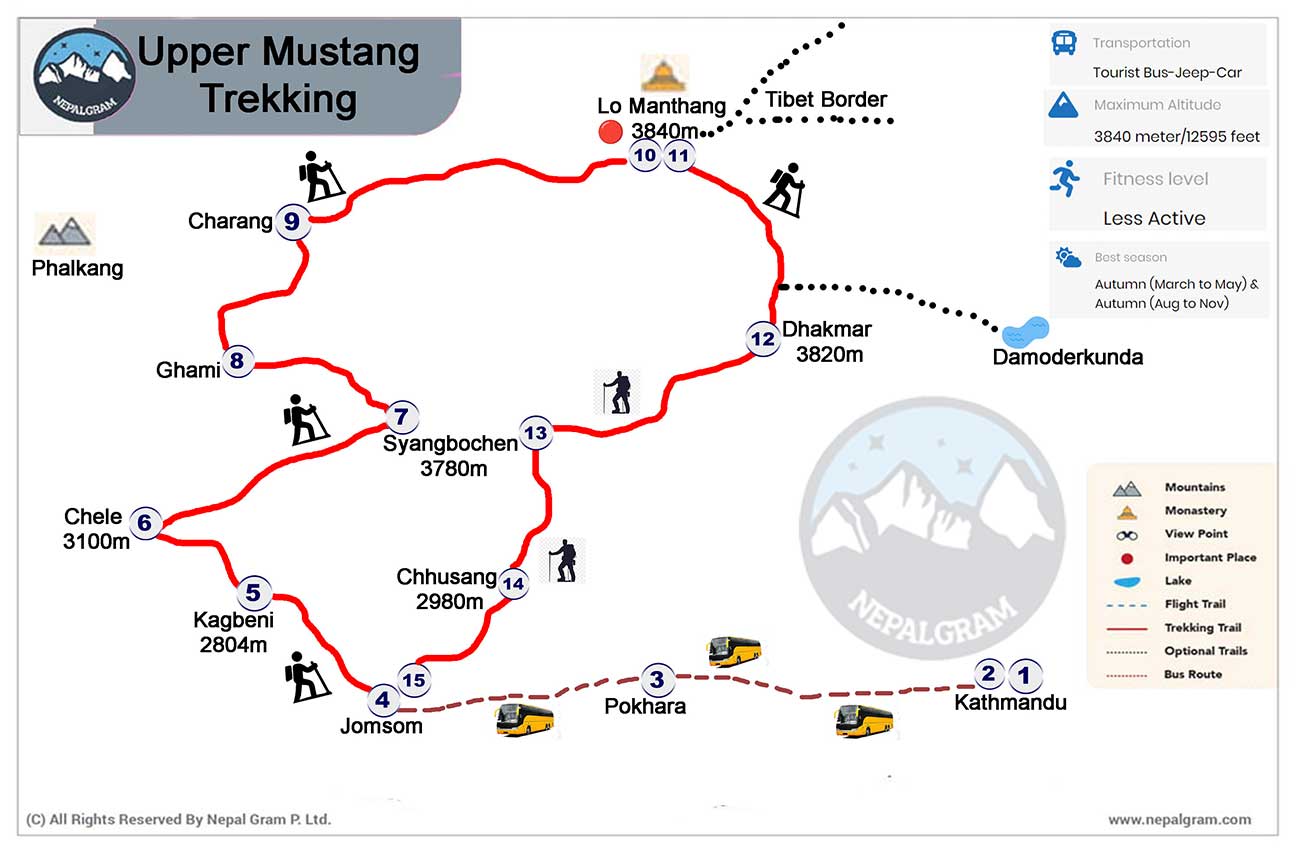
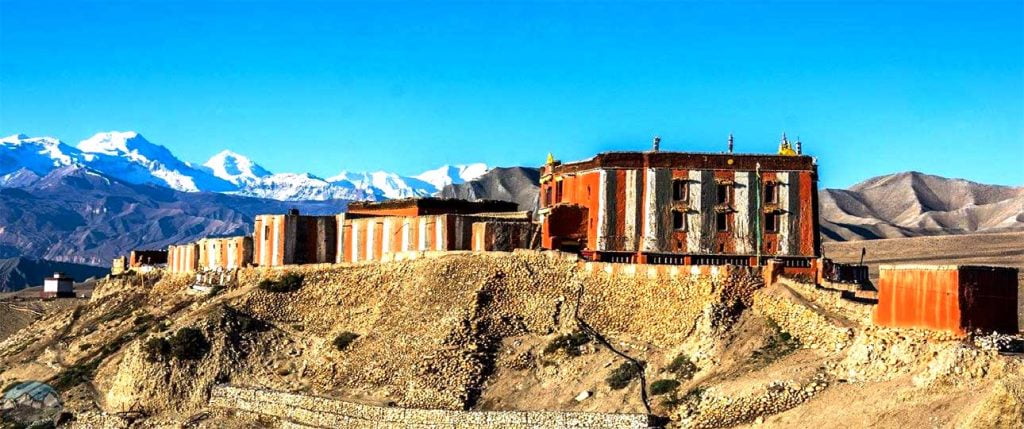
The trek begins in the ancient city of Lo Manthang, which was once the capital of the Mustang Kingdom and is now a UNESCO World Heritage Site. From there, the trek follows a trail through the Kali Gandaki River Valley, passing through traditional Tibetan villages, ancient monasteries, and barren landscapes.
One of the highlights of the Upper Mustang high pass trek is crossing the challenging high passes, including the Dhakmar La Pass (3,820m), the Lo La Pass (3,950m), and the Thorong La Pass (5,416m), which is the highest point of the trek. The high passes offer stunning views of the surrounding mountains and valleys, but also require proper acclimatization and physical fitness.
The Upper Mustang high pass trek is a restricted area and requires a special permit, making it a less crowded and more exclusive trek compared to other popular treks in Nepal. The best time to go on this trek is during the spring (March to May) and autumn (September to November) seasons when the weather is dry and stable.
Best Seasons To Visit Upper Mustang High Pass Trek
Upper mustang trek is popular also because of its “no rain zone” character. Saying that, you can trek to Upper Mustang in the monsoon season (June, July, and August).
The Upper Mustang trek itinerary fits throughout the year. Telling the best time to do this trek is the local autumn and spring season. These seasons have great visibility, slightly more stable weather conditions and cool temperature even in the lower part of the Upper mustang trekking route.
Spring – March to May
The season of spring brings in warm and stable weather conditions. The clear sky offers great visibility of mountain and amazing landscapes of upper mustang region. You will experience temperature ranging from 16-degree Celsius during the day to 8-degree Celsius at night.
Moreover, the weather is warmer and the trails are free of snow in the region of Mustang. The season of spring is possibly the best time to trek to the Upper Mustang.
Summer(Monsoon) – June to September
May marks the beginning of summer or the Monsoon season in Nepal. So, the chance of rainfall in most of the trekking trail of Nepal including lower Mustang is high in summer. But the upper Mustang region lies in the rain-shadow area. So, the possibility of rain in monsoon is close to zero.
Moreover, the trails along the Mustang trek is not slippery and muddy. The temperature in monsoon during upper mustang high passes trekking ranges from 16 degrees Celsius during day time to 5 degrees Celsius at night.
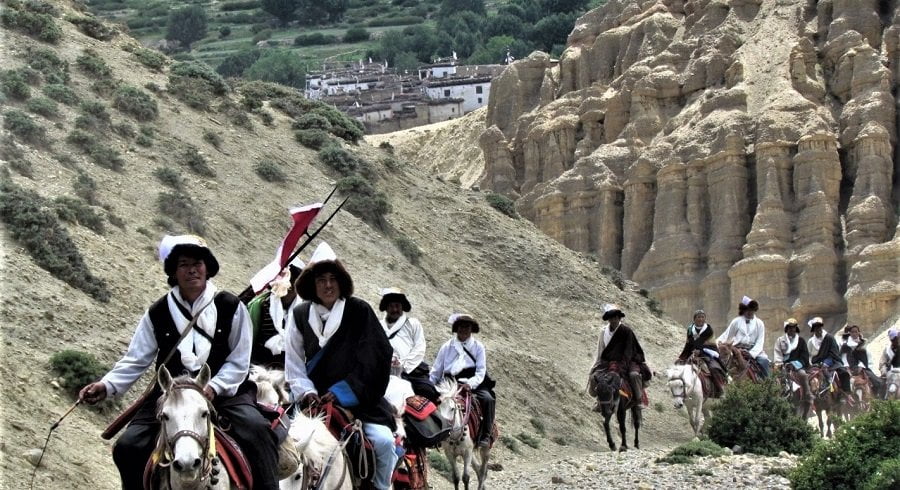
If you are travelling in the right time; you will have the opportunity to experience the horse festival or YartungMela during the Summer trek to upper Mustang. The local festival takes place and starts in Lo-Manthang and continues downwards as practiced since very early days. The festival features archery, horse race, and cultural dance.
Autumn – September to November
September to November falls under the autumn season in Nepal. Autumn offers clear blue sky and pristine mountain views to the travelers during the trek. The days are windy and slightly colder during this season. The temperature rises to 15-degree Celsius during the day and falls to 4-degree Celsius at night.
Moreover, the weather is dry and slightly predictable than in other seasons. So, travelers consider autumn as the ideal time to visit Nepal, so as Upper mustang region.
The lodges and the tea houses along the trail are open and nearly full for business during the autumn season.
In addition, you won’t have to pack any special types of equipment and gears during your upper Mustang high passes trekking in the autumn season. Also, autumn is the perfect time for sightseeing of animals and birds in the Mustang region.
Winter- December to February – say no to these months
December to February falls under the winter season in Nepal. Late December marks the start of the Winter Season. The temperature is around 5-degree Celsius during the day and falls below 0-degree Celsius at night& mornings. So, you need packs with warm clothing to cope up with the extreme cold.
There will be very fewer tea shops opened during winter.
Benefits of Upper Mustang Trek with Nepalgram
- Clear information on cost includes & Excludes for Upper Mustang
- Free arrangement for storage of excess luggage
- Pulse oximeters for monitoring blood oxygen saturation to detect early signs of altitude sickness at high elevations
- Medical kits for emergencies
- Sleeping bags and down jacket arrangements if you do not have your own
What to Expect?
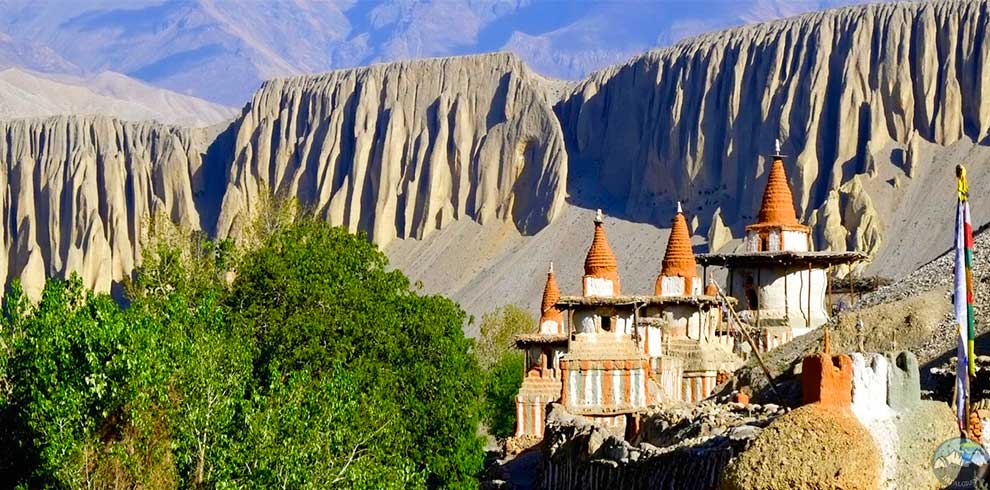
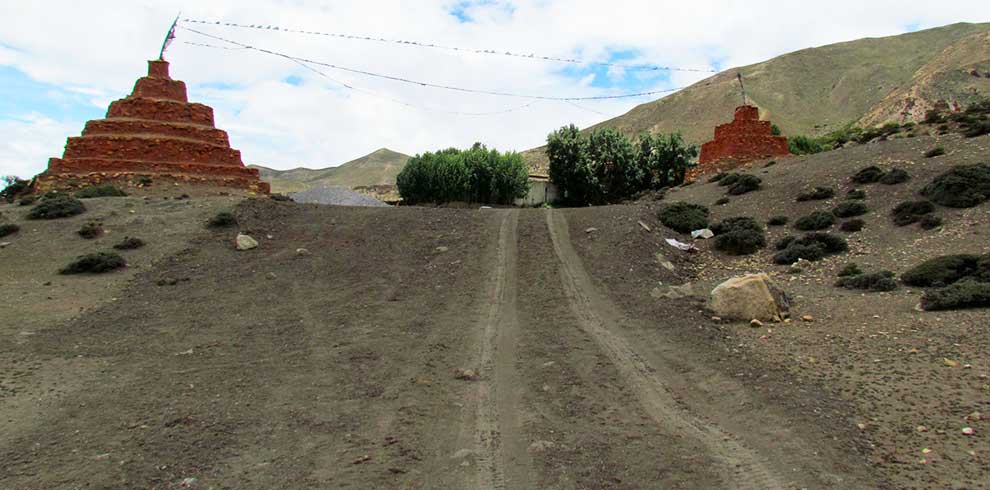
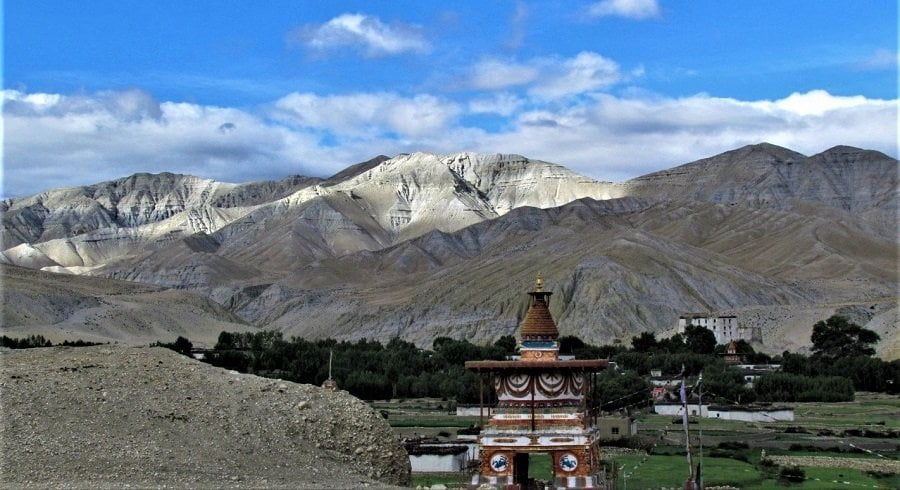
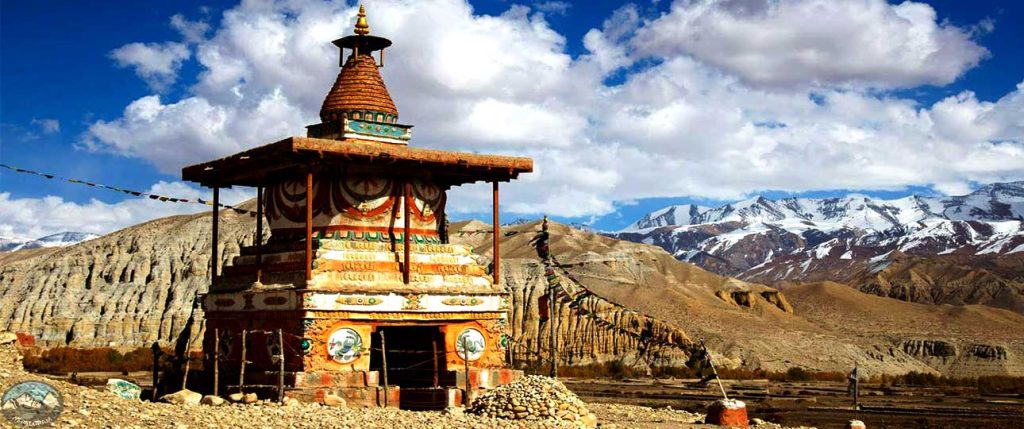
From the religious side of the upper mustang region through the chortens, stupas, Mani walls that decorate the route all through your trekking or tour in upper mustang. The religious communities, Buddhists shrines, gompas and mandalas and locals praying on those places are eye appealing moments.
Local from this region grow wheat, barley buck- wheat and some potatoes. Lo-pa people like the business they want to do some business from Tibet like Chinese goods. During the winter, the Lo-Pa people come down to lower part like to Pokhara. There temperature falls in minus in winter.
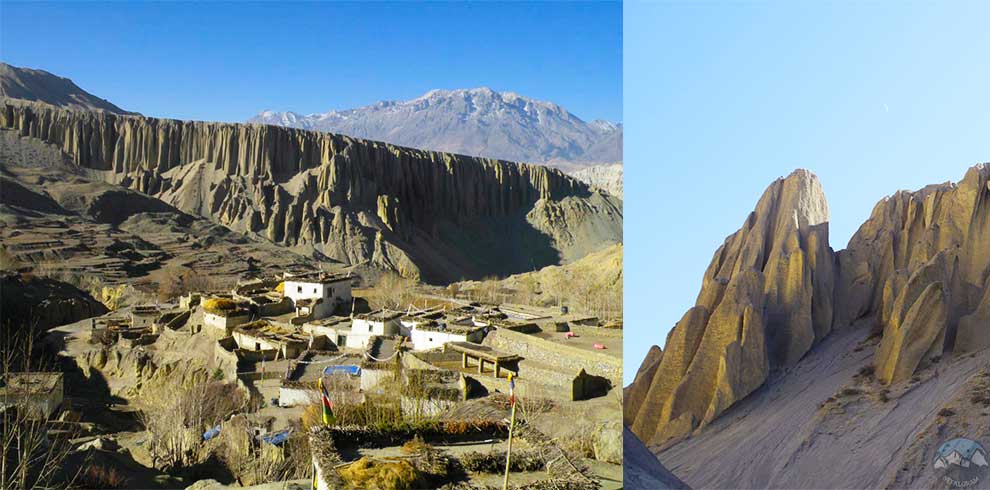
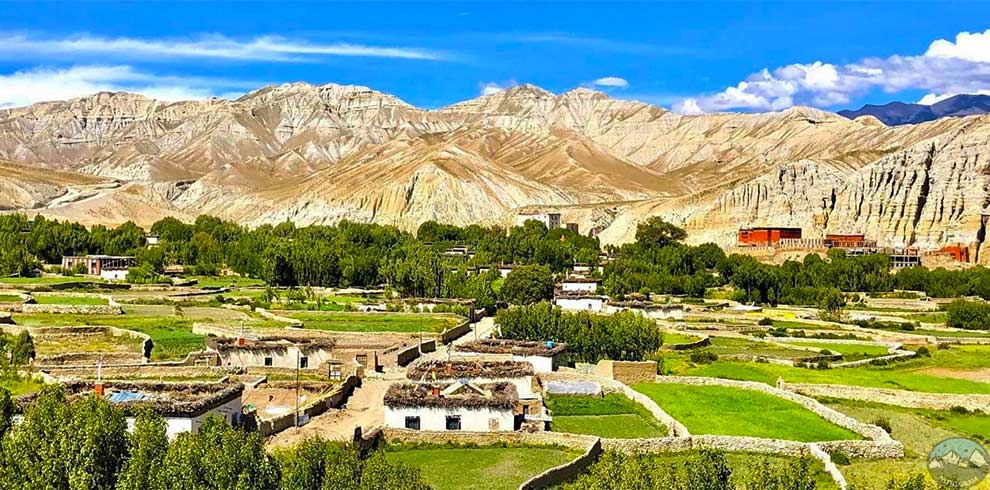
Likewise, the main highlight of this trip is the Yara village which is one of the notable mountain village famous for its natural sandy castle and the scenery around it. The Kingdom of Lo, Choser cave, Muktinath, Jomsom, Kagbeni and the many villages with small settlements beside the massive & deserted cliffs are major attraction of upper mustang high passes trekking.
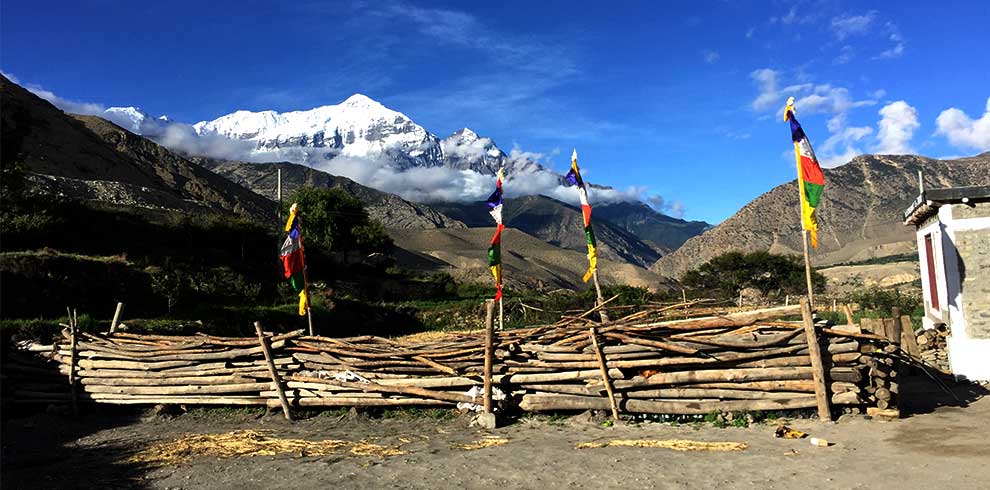
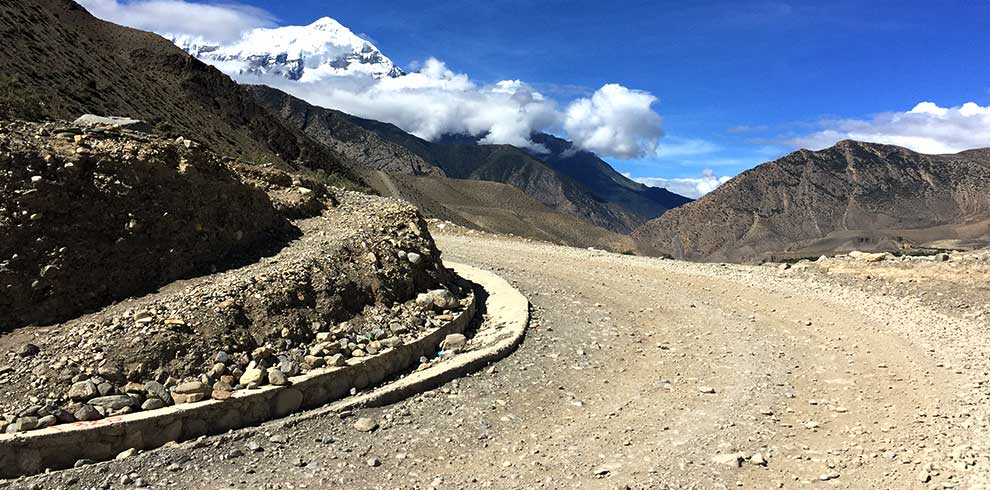
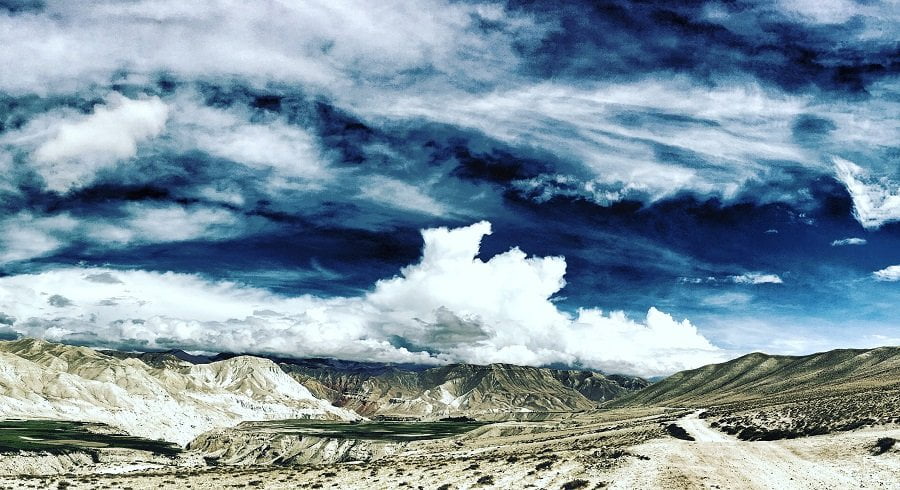
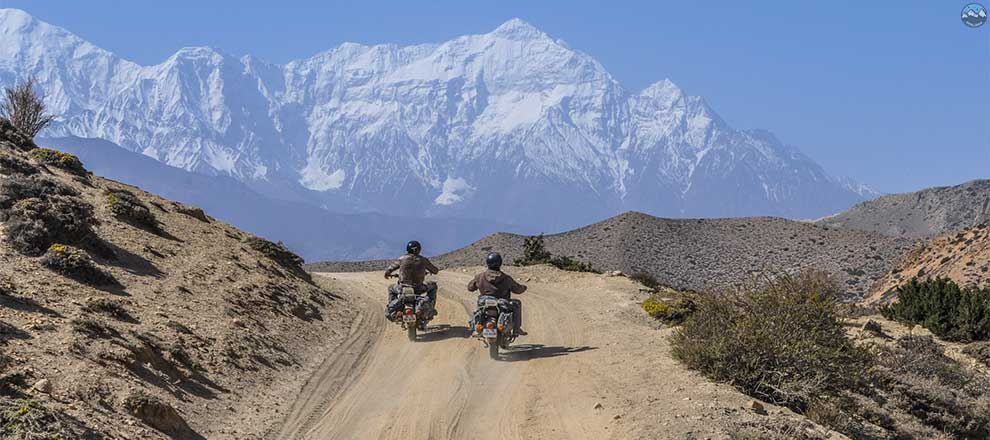
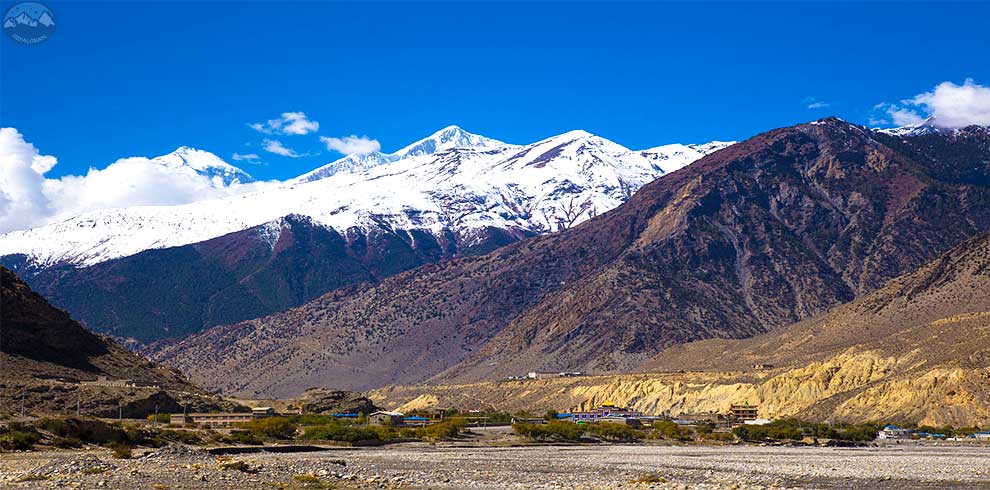
Contrast of deserted mountains with white Himalayas will look stunning during upper mustang high passes trekking
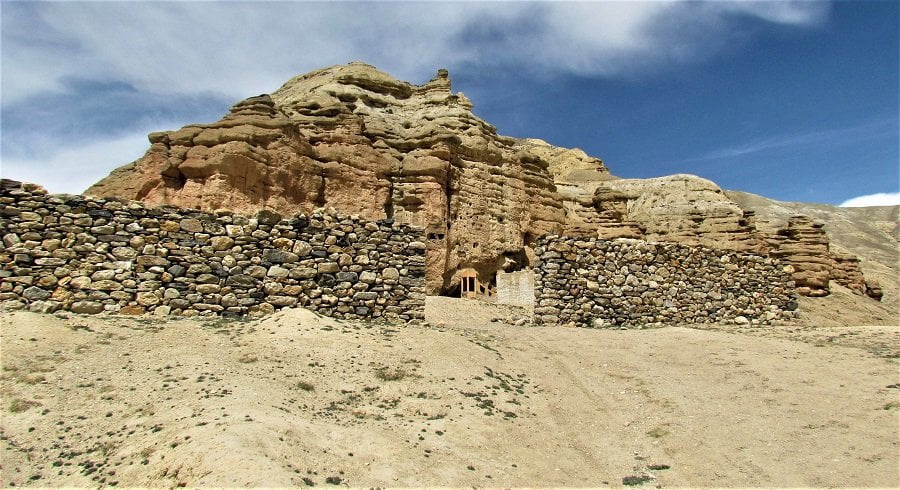
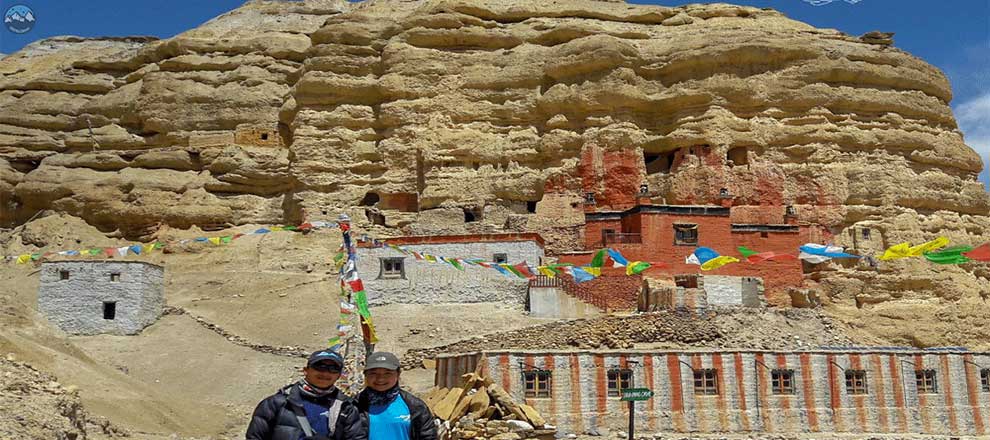
Cave which are carved into the towering hills, monastery caved in the hills with decoration of Buddhist art & architecture along with prayer flag and mantras has made this region more spiritual.
Eye catching view of local people busy in their farmland, kids playing on the street of Lhomanthang village and cattle passing by while trekking will find your inner peace. Finding the peace while trekking in this spiritual region of Nepal are not just interesting but amazing part of Upper mustang trekking trip in Nepal.
Culture & Tradition of Upper mustang region reflects in Tiji festival
Travelers will experience the culture and traditions of the Trans Himalayas. Moreover, the rugged landscapes of this region are a treat for visitors where one can explore the lifestyle of the people living in the remote Himalayan region of Nepal which is close to Tibet.
Tiji is one of the famous festival of upper mustang region celebrated in the month of May. Trekking to upper mustang high passes trekking with Nepalgram adventure during the festival of Tiji will make best travel to Nepal during the one of the best season. May is the last month of spring season in Nepal.
Upper Mustang in the history
Historically, Mustang used to have its own Kingdom with its own rulers and dynasty. But the monarchy stopped to exist on October 7, 2008.
This route was only opened to foreigners in 1992 and ever since then magnificent landscapes of the region have attracted increasingly large numbers of tourist in the region. However the cost of the trekking permit has filtered the flow like in Annapurna circuit trekking or Everest region trekking.
Highlights
- • Flight of Kathmandu-Jomsom with views of some of the highest mountains in the world- Annapurna and Dhaulagiri ranges.
- • Trans Himalayan salt trading route in the past along Jomsom Bazzar
- • Kagbeni village is one of the most beautiful medieval villages. It has closely packed mud and brick houses, dark alleys and imposing chortens.
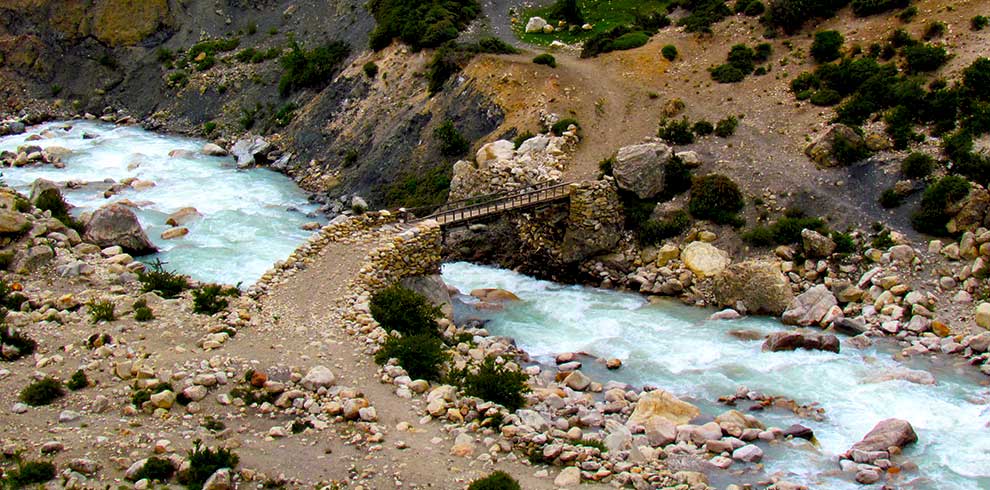
- • Kaligandaki River Gorge: The deepest canyon in the world.
- • Mysterious sky caves in Mustang is a collection of some 10,000 man-made caves dug into the sides of valleys. The caves lie on the steep valley walls near the Kali Gandaki River.
- • Avoid the crowds. Unlike most parts of Nepal, Upper Mustang doesn’t get as crowded as other region – it is because of the expensive special permit fees.
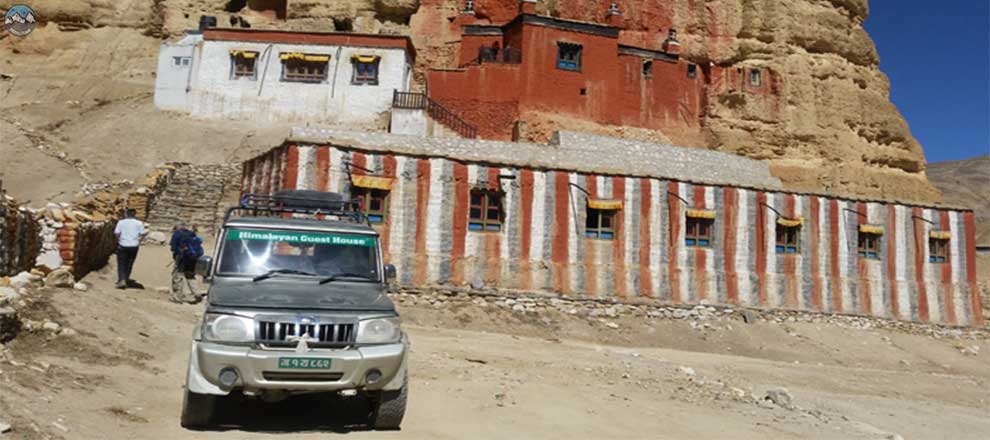
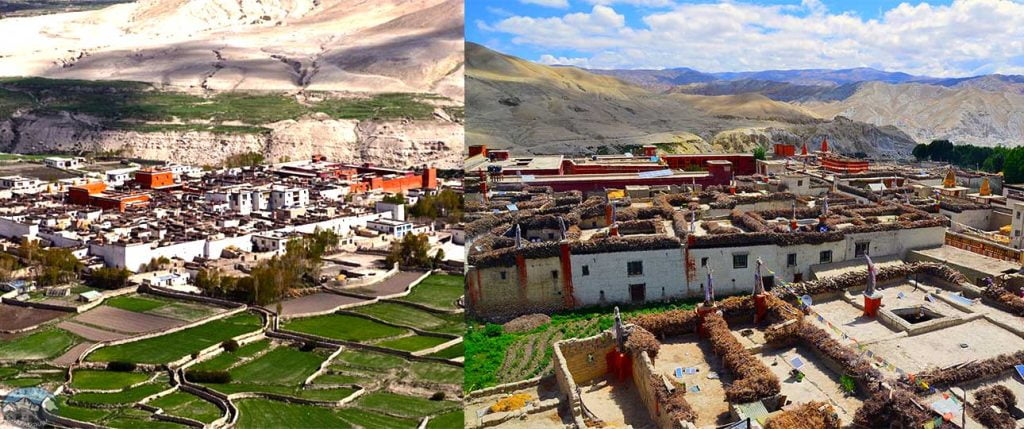 we can see local houses also explore local culture and tradition during trekking.
 Big Group? We can help safer