
About Kanchenjunga North Basecamp Trek
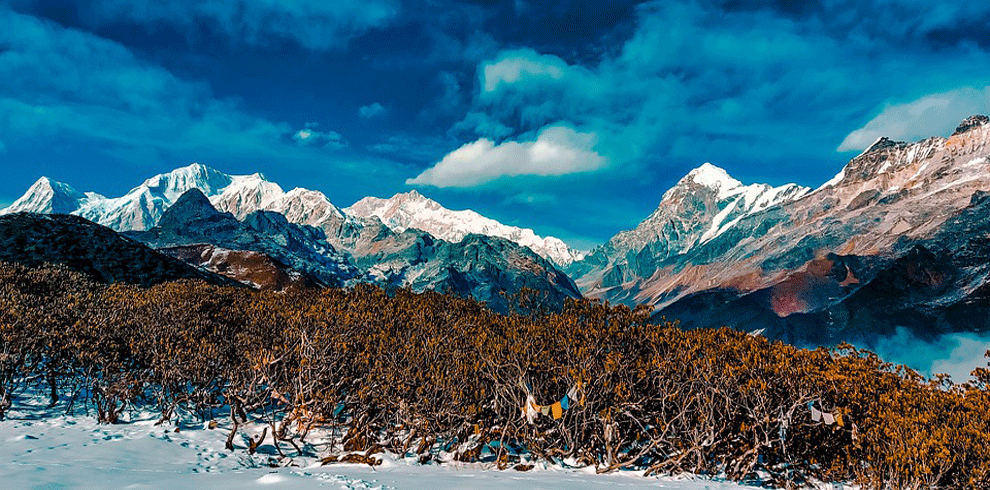
For experienced trekkers looking for a unique, off-the-beaten-path Himalayan experience, and the Kanchenjunga North Base Camp trek is a top choice. This challenging trip to Pangpema (5,143m) offers the most clear and breathtaking view of the gigantic north face of the third-highest mountain in the world. It is also a full-scale adventure into a remote and magnificent wilderness.
The Kanchenjunga North Basecamp journey is renowned for its rich cultural narrative and breathtaking accessibility as a separate route, setting it apart from its southern counterpart. The journey starts in the subtropical foothills and travels through the Kanchenjunga Conservation Area, a protected area.
As you journey from the Hindu middle hills into the Tibetan Buddhist regions of the upper valleys, you will witness a dramatic cultural transformation, calmer routes, and amazingly pure ecosystems, all of which contribute to the Kanchenjunga trek’s distinctive character. The trip is a master class in cultural immersion and vertical ecology.
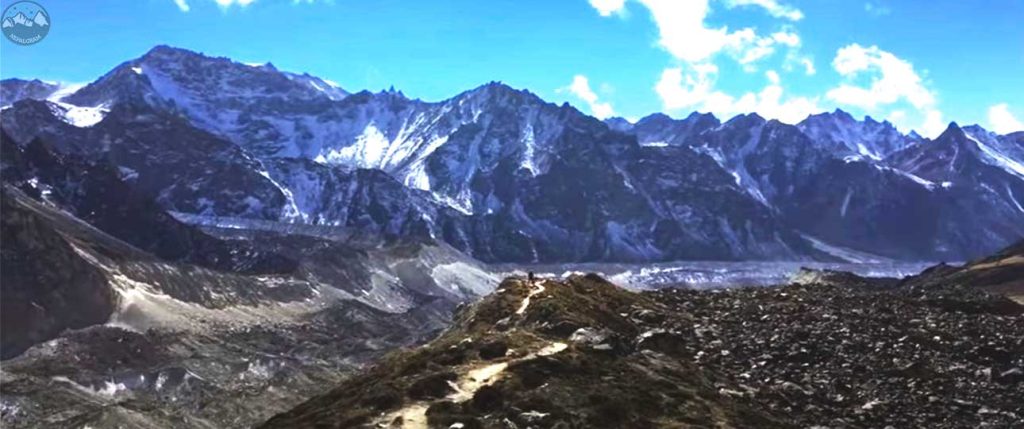
The charming village of Ghunsa, a vital acclimatization point and cultural centre where traditional wooden buildings and historic monasteries define the landscape, is the heart of this adventure. The real expanse of the Himalayan Kanchenjunga is shown beyond Ghunsa. In order to reach the final destination, the North Base Camp at Pangpema, the trail climbs through the seasonal outpost of Kambachen onto the bleak, glacial moraines of Lhonak.
The steep, expansive north face of Kanchenjunga, a massive wall of ice and rock that represents the unadulterated power of the Himalayan Kanchenjunga, dominating the horizon as hikers stand here.
From a logistical perspective, the Kanchenjunga North Basecamp Tking is more expensive because it is a restricted area and requires a licensed guide and appropriate permissions.
A well-planned route with dedicated acclimatization days is crucial for safety and success because the trek entails considerable elevation gains in Kanchenjunga, with several days over 4,000 metres.
The Kanchenjunga North Basecamp expedition is essentially the ultimate wilderness trek to the base of the “Five Treasures of the Snow.” It is a demanding, isolated, and incredibly fulfilling journey intended for anyone looking for seclusion, unspoilt scenery, and a true sense of discovery.
Completing the Kanchenjunga North Basecamp Trek is a significant accomplishment for the committed trekker, providing an unmatched link to one of the planet’s most breathtaking and unexplored alpine regions. Selecting this walk entails committing to a genuine Kanchenjunga circuit trek experience, where the journey is just as significant as the destination.
Highlights
- Trek to Pangpema (5,143m) for stunning views of the north face of Kanchenjunga
- Explore the Kanchenjunga Conservation Area, which is protected.
- Discover the unique cultures of the Limbu, Rai, Sherpa, and Tibetan Buddhists.
- Uncrowded, remote trail that offers authentic wilderness experience
- Possibility of seeing endangered animals like snow leopards and red pandas
Cost of Kanchenjunga North Basecamp Trek
| S.No. | Luxury | All Incl | Service | |
| 1 | Cost (in USD $) Details | |||
| 2 | Licensed Guide | √ | √ | √ |
| 3 | Accommodation during trek | Standard | Private | × |
| 4 | Transportation to trek start point | Private | Shared | Shared |
| 5 | Shower | √ | √ | √ |
| 6 | Airport/bus terminal Shuttle service | Private | Private | × |
| 7 | Hotel at KTM | 5 Star | × | × |
| 8 | Food on trek (BLD) | Unlimited Meal | 3 Meal | × |
| 9 | Desert | From Menu | Fresh Fruit | × |
| 10 | Soft drink | unlimited | 1 | × |
| 11 | Porter | Private | Shared | × |
| 12 | Company Cap & T-shirt | √ | √ | × |
| 13 | Dawn Jacket & Sleeping – bag to be returned | √ | √ | × |
| 14 | Hard drink | Local Brand | × | × |
| 15 | Warm up hike | √ | × | × |
| 16 | Farewell party/dinner | √ | × | × |
| 17 | Buffer day for trek | √ | × | × |
| 18 | Food in the city | × | × | × |
Cost Details of Kanchenjunga North Basecamp Trek-General Inclusions
- Airport pickup and drop by private car or micro bus (Depending on group Size)
- Hotel in Kathmandu (according to the itinerary & the plan you choose to go with), B/B (bed and breakfast)
- All your meals (Breakfast with tea, Lunch and Dinner) during the Trekking.
- Fresh fruit will be served every night.
- All accommodations during the trek.
- All necessary paper works, special entry Trekking permit for Kanchenjunga (restricted trek trail permit)& Trekker`s information management system (TIMS).
- Fluent English speaking and trained, Government license holder guide including all his salary, food, drinks, accommodation, transport and insurance during the trekking.
- A Strong, helpful porter with proper equipment, Food, Accommodation, Insurance (one porter for two people), if u need.
- Credit card processing fees for online payment.
- Added Value - (1) Dawn sleeping bag, Dawn Jacket to be returned after the trek (2) Waterproof duffel Bag, Walking Poles, quick dry T-shirt, Cap - to take away (3) Oxymeter to check your oxygen saturation and Heart beat with medical kit box carried by Guide (4) Satellite Phone for extremely remote destination
Cost Details of Kanchenjunga North Basecamp Trek-General Exclusion
- Nepal entry visa fee (you may easily issue the visa upon your arrival at International Airport - Kathmandu).
- Food while you are in Kathmandu.
- Your Travel and medical insurance.
- All the alcoholic and non alcoholic hot and cold drinks. (except tea in the morning)
- Tips for the guide, porter and driver (Tipping is expected).
Detailed Itinerary for Kanchenjunga North Basecamp Trek
Your journey starts when you arrive in the lively capital of Nepal. You will attend a detailed pre-trek briefing to finalize permits, go over the forthcoming Kanchenjunga hike, and perform a thorough gear check after you have settled into your hotel. This day is essential for getting ready and relaxing before tomorrow's internal flight.

You will reach Bhadrapur in the eastern lowlands by taking an early morning scenic flight. From here, you get your first true look at rural Nepal as a lengthy but fascinating trip winds past lush hills and terraced farms. Taplejung, the administrative centre and the beginning of the Kanchenjunga North Basecamp trip, is where you will spend the night.

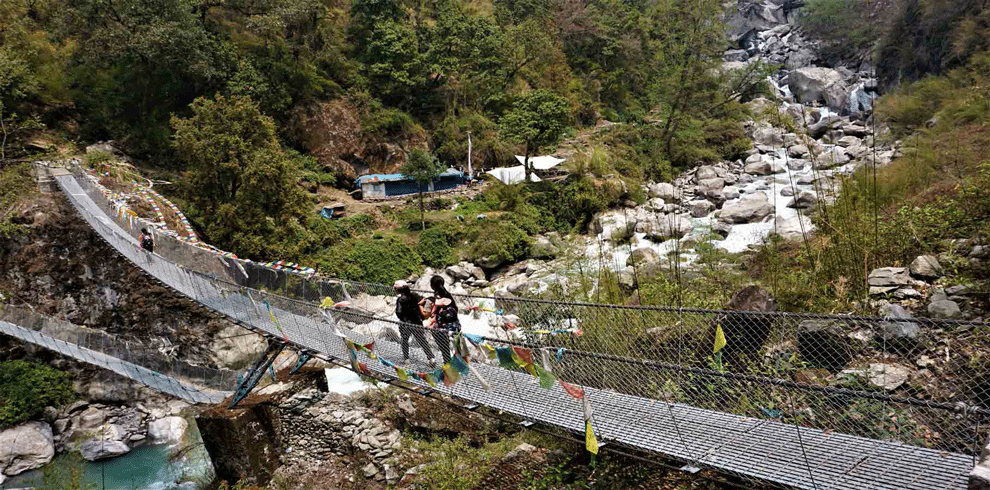
The first day of trekking involves a descent through verdant, subtropical forests, following the Tamor River. You will cross swinging suspension bridges and pass lots of little Limbu and Rai villages. With a gradual introduction to the routes and scenery of the Kanchenjunga circuit trek region, this shorter day aids in your body's acclimatization to trekking.
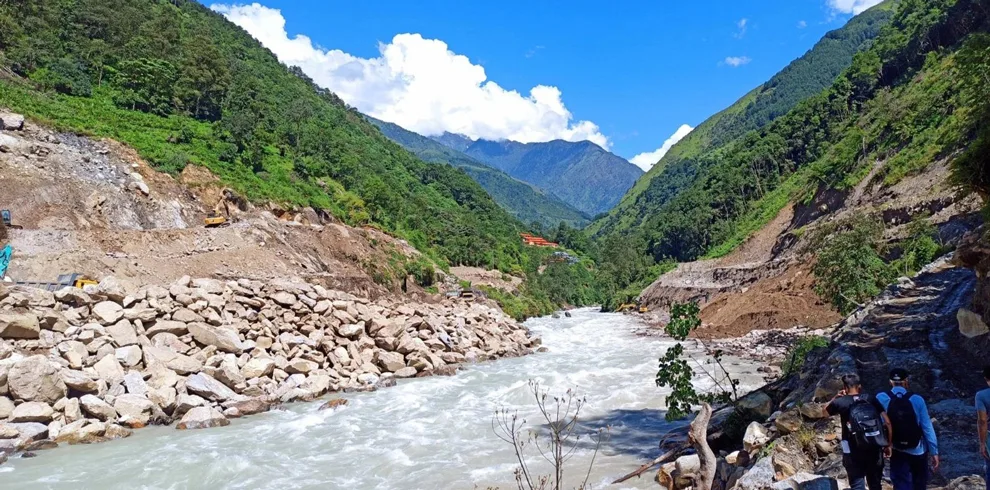
The trail winds through terraced fields and communities as it continues along the river valley. There are several stunning waterfalls along the way, and the sound of rushing water is a constant companion. After a day of intense cultural and ecological exploration on your Kanchenjunga trek, the village of Chirwa provides simple teahouse lodging.
As you get more into the valley, the route gets rougher and you have to cross the Tamor River on spectacular suspension bridges. A prominent landmark is the meeting point of the Tamor and Simbuwa Khola rivers. The genuine atmosphere of the Kanchenjunga North Basecamp trip is further enhanced by the teahouse in Sekathum, which offers a welcome respite as the distance grows.
This day is harder and more difficult as you ascend the side valley towards Gunsa after leaving the main river. There are sporadic views of snow-capped mountains as the trail ascends through thick woodlands. At a crucial point in the Kanchenjunga circuit trip, the isolated village of Amjilosa, with its simple lodgings, marks the beginning of the high Himalayan wilderness.

Better acclimatisation is possible with a shorter trekking day. Along the Gunsa Khola, the trail meanders through tranquil pine, rhododendron, and fir forests. Gyabla is a great place to visit because of its serene environment and stunning surroundings. For the Kanchenjunga elevation gains to be managed properly, this gradual approach is crucial.
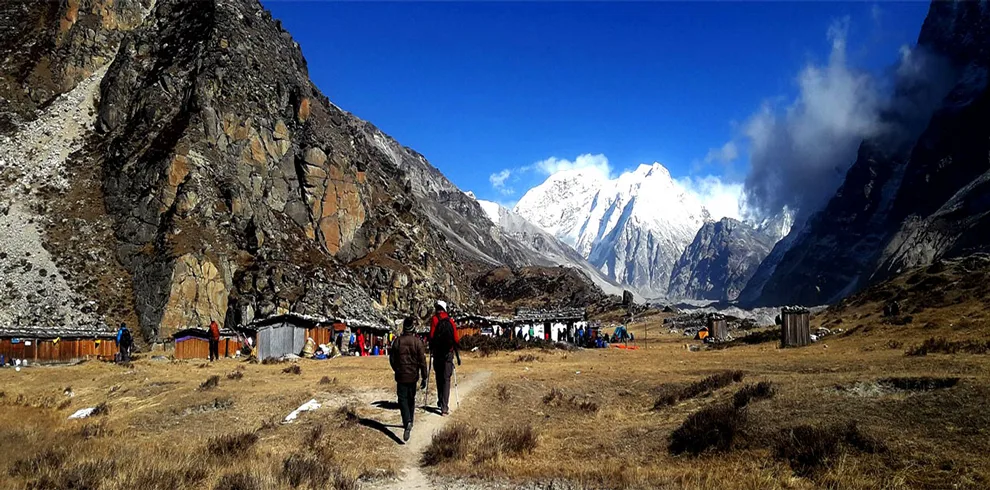
As you enter the high alpine valley, the landscape and culture clearly change. One of the main attractions is the charming town of Ghunsa, which has wooden homes, a notable monastery, and Tibetan Buddhist influences. This place, which offers greater amenities for a well-earned respite, is a major turning point in your journey to Kanchenjunga North Basecamp.
To help your body acclimatize to the altitude, this is an essential rest day. For breathtaking views of the valley, you can choose to trek to a neighboring ridge or just stroll around the village, stop by the monastery, and take in the local way of life. For a safe ascent into the Himalayan Kanchenjunga region, proper acclimatization at Ghunsa is a must.
Today's trek travels alongside the enormous Kanchenjunga Glacier along a steep moraine route. With breathtaking views of peaks like Jannu (Kumbhakarna), the terrain grows more desolate and dramatic. This part of the Kanchenjunga North trek trip is quite remote, as seen by the modest lodges at Kambachen.
Kambachen is the site of another crucial acclimatization day. Following the "climb high, sleep low" idea, a quick trip to higher terrain aids in your body's adaptation. Before continuing on your Kanchenjunga walk to the high altitude of Lhonak, it is essential to take in the breathtaking vistas of the surrounding glaciers and peaks.
This is a strenuous day hike in a barren, high-altitude desert. With magnificent views of majestic peaks, the trek traverses stony moraine. The rudimentary shelter at Lhonak is situated in a stunning, barren terrain that highlights the sheer strength of the Himalayan Kanchenjunga, and the thin air is difficult.
The highest point of your adventure! The Kanchenjunga North Basecamp, Pangpema (5,143m), is reached by a gradual ascent up the lateral moraine. You get thrilled with an amazing up-close picture of Kanchenjunga's massive north face and the surrounding giants. A memorable moment on any Kanchenjunga circuit trip, you return to Lhonak to sleep at a safer altitude after taking in this unmatched view.

You start the long descent by going back through Kambachen. As oxygen improves, the trek downhill feels simpler and you can see the breathtaking countryside from a different angle. After the highs of the Kanchenjunga North Basecamp trip, returning to Ghunsa's relative warmth and comfort is a satisfying experience.
You return through the charming forests on a long day of descending. The increasing amount of oxygen and greenery is energizing. As you effectively return to lower levels on this day, you travel a considerable distance while thinking back on the amazing high-altitude experiences of your Kanchenjunga climb.
As you descend past well-known communities like Sekathum and Chirwa, your last trekking day is lengthy but full of satisfaction. Your trekking adventure officially comes to an end when you reach Taplejung. Together with your team, you will celebrate finishing the difficult Kanchenjunga North Basecamp Trek.

You take a last drive back to Bhadrapur so you can catch your flight back to Kathmandu. When you get there, you can take a nice shower and have a thank you meal. At last, you can unwind and think back on the incredible accomplishments and memories you made throughout your incredible journey to the Himalayan Kanchenjunga.
The Kanchenjunga North Basecamp Trek is regarded as a difficult and demanding hike. Long trekking days, difficult climbs and descents, isolated paths, and several days above 4,000 metres are all part of it. Experienced hikers with good physical fitness and prior high-altitude trekking experience are the best fit for this expedition.
Including arrival, internal flights, trekking days, and acclimatization days, the typical Kanchenjunga North Basecamp Trek takes seventeen days. Depending on group pace, weather, and customization of the itinerary, the duration may differ slightly.
Indeed, extra permits are needed because this trek is in a restricted area:
- Permit for Restricted Area (RAP)
- Permit for the Kanchenjunga Conservation Area (KCAP)
Independent trekking is prohibited; these permits must be obtained through a recognized trekking agency.
Indeed, because to restricted-area rules, hiring a licensed guide is required for the Kanchenjunga North Basecamp Trek. In addition to managing dangers associated with altitude, a guide assures safety, oversees logistics, and helps with communication in isolated villages.
The best seasons are:
- Spring (late March to May): moderate temps, blossoming rhododendrons, and clear skies.
- Autumn (late September to November): There are fewer hikers, stable weather, and good visibility.
While the monsoon season brings rain, landslides, and poor visibility, winter is bitterly cold with a lot of snow.
Most lodging is provided in simple teahouses and lodges. As you ascend, especially beyond Ghunsa, the amenities become less sophisticated. The rooms are basic, frequently shared by twins, and have little warmth. Higher altitudes, such as Lhonak, have extremely simple but secure lodging.
Of course. For those looking for real wilderness, few people, genuine culture, and unadulterated Himalayan grandeur, this trek is perfect. Compared to more commercial trekking routes, finishing the journey is a noteworthy accomplishment and provides an unparalleled sense of exploration and accomplishment.
Yes, if you have a well-thought-out schedule, a licensed guide, and adequate preparation, the trek is safe. However, because of the isolated location, emergency evacuation may take some time, thus it is highly advised to have travel insurance that covers helicopter rescue and high-altitude trekking.
You need to be in top physical shape. Strength training, prior multi-day excursions over 4,000 metres, and regular cardio exercise (hiking, jogging, cycling) are all strongly suggested. Because of the seclusion of the walk, mental stamina is as crucial.
More information about Kanchenjunga North Basecamp Trek
Best Time to Trek Kanchenjunga North Basecamp
Selecting the ideal time for a trek to Kanchenjunga North Basecamp is essential for a fun and secure experience. The pre-monsoon (spring) season, which runs from late March to May, and the post-monsoon (autumn) season, which runs from late September to November, are the best times to trek. The best views of the breathtaking scenery and tall peaks are possible during these times because the weather is usually clear and consistent. Compared to the extremes of winter and summer, the trekkin g conditions are more comfortable due to the mild temperatures.
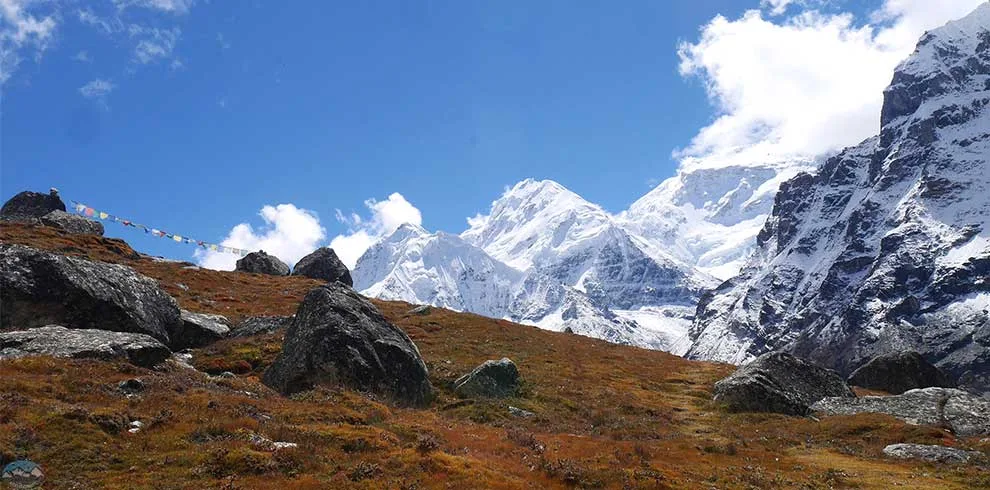
The trails are decorated with blossoming rhododendrons and other Himalayan flowers in the spring, making it an especially charming time to start the trek. At every turn, magnificent landscapes are created by the striking contrast between the vivid colors and the snow-capped mountains. The longer days in spring also provide plenty of daylight for hiking and exploration. However, compared to other times of the year, you may come across more hikers during this famous trekking season.
On the other side, autumn is known for its crisp air and glistening skies. The visibility is at its best and the scenery is lush and green when the monsoon rains have stopped. Trekkers may find the lower temperatures, particularly at higher elevations, to be invigorating. Additionally, compared to spring, the post-monsoon season typically has fewer people, making for a more peaceful and isolated hiking experience. To ensure a safe and pleasurable walk, it’s crucial to pack appropriately and be ready for unexpected weather changes regardless of the season.
Preparing for the Trek: Essential Gear and Packing List
A successful trek to Kanchenjunga North Basecamp requires preparation, and having the appropriate equipment can make all the difference. Trekking boots should be the first and most important item on your packing list. They should be comfortable and sturdy. Your shoes should be fully broken in to avoid blisters and provide adequate ankle support due to the rough and varied terrain. High-quality trekking socks are essential for keeping your feet dry and comfy, just like boots.
You must layer your clothes in order to adapt to the different temperatures you may experience. Start with base layers to prevent perspiration from reaching your skin by wicking away moisture. To further retain body heat, wear insulating clothing like down coats or fleece. You need an outer layer that is both windproof and waterproof to protect yourself from the elements, particularly in higher altitudes where the weather can change quickly.
Remember to bring a cap, a buff or scarf, and warm gloves to shield yourself from the wind and cold. In addition to clothing, you need carry a variety of additional essentials. A strong backpack with a rain cover is necessary for carrying your gear. Make sure it is comfortable and can meet all of your demands. Trekking poles can be quite helpful for stability and reducing joint stress.
A high-quality sleeping bag that is appropriate for low temperatures is crucial because evenings can get rather chilly. Other essentials include a first aid box, water purification tablets, UV protection (sunglasses, sunscreen, lip balm), a torch with additional batteries, and personal hygiene items. Remember to pack sensibly and lightly so that you have all you need without adding unnecessary weight.
Kanchenjunga North vs. South Basecamp: Routes & Experience
There are two separate basecamp treks in the Kanchenjunga region, which are sometimes combined to form the entire Kanchenjunga circuit trip.
North Basecamp Trek (Pangpema): The northern side, which is influenced by Tibet, is the main emphasis of the Kanchenjunga North Basecamp expedition. The trail leads to the striking north face of Himalayan Kanchenjunga by following the Tamor and Ghunsa Khola rivers.
Highlights of the Sherpa culture are villages like Ghunsa. In terms of daily altitude gain, this journey is marginally less taxing than the original southern approach, although it still reaches a comparable high peak.
South Basecamp Trek (Oktang): The Oktang viewpoint and Yalung Glacier can be reached from the southern approach. This side, which passes through the towns of Limbu and Rai, is culturally diverse and provides a unique, breathtaking view of the enormous south wall. At first, the track has higher rises.
It takes 22 to 25 days to complete the Kanchenjunga circle trip, which connects both basecamps via the high Mirgin La (4,663m) or Sele La pass. For those who want to completely circumnavigate the third-highest peak in the world, it’s the ultimate experience. The concentrated Kanchenjunga North Basecamp trek offers a very engaging and logistically feasible experience for those with 17 days.
Tips for Acclimatization and Staying Safe on Kanchenjunga North Basecamp Trek
For high-altitude trekking to be both safe and pleasurable, acclimatization is a crucial component that must be understood. As you climb higher, the air pressure drops and your body has less access to oxygen. This can result in altitude sickness, a potentially dangerous illness that can strike anyone, regardless of age or degree of fitness. Headaches, nausea, lightheadedness, exhaustion, and dyspnea are signs of altitude sickness.

It’s crucial to follow a moderate ascent and give your body time to adapt to the changing environment in order to reduce the danger of altitude sickness. This typically entails taking break days to acclimatize at specific stages of the journey.
To allow your body adjust before moving on to higher elevations, for instance, it’s typical to spend an additional day in Ghunsa and Kambachen. On these days of rest, you can go on quick excursions to higher altitudes before going back to sleep at a lower altitude—a strategy called “climb high, sleep low.”
Maintaining hydration is also essential for acclimatization. Throughout the day, stay hydrated by drinking lots of water and avoiding alcohol and caffeine, which can cause dehydration.
Maintaining your energy levels can be achieved by eating a balanced diet that includes enough carbohydrates. If you see any signs of altitude sickness, it’s also critical to pay attention to your health and let your guides and trekking group know.
The best course of action in extreme cases is to descend to a lower altitude. A safe and successful journey to Kanchenjunga North Basecamp can be ensured by being aware of the warning signals and following the appropriate safety measures.
Local Culture and Communities along the Trek
The chance to become fully immersed in the local culture and engage with the locals along the path is one of the most rewarding parts of the Kanchenjunga North Basecamp Trek. A wide variety of ethnic groups, including the Limbu, Sherpa, Rai, and Tibetan people, call the area home. Each village adds to the region’s rich cultural fabric with its own distinctive traditions, dialects, and customs.
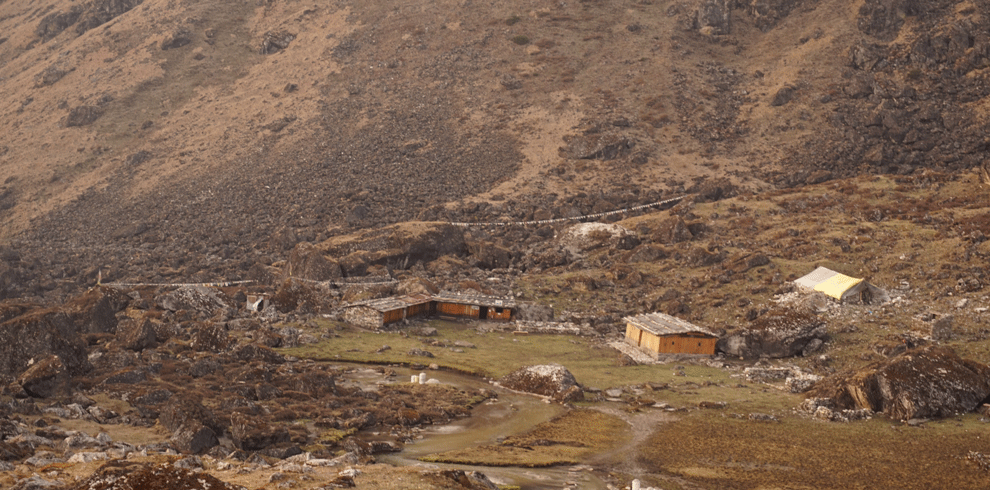
You will get the opportunity to watch and take part in the everyday activities of the locals as you walk through the villages. The villages in this area are known for their hospitality, and you’ll frequently be met with kind grins and receptive hearts.
You can have an authentic experience by staying in local teahouses or homestays, where you can learn about the customs and practices of the locals and taste traditional meals. Talking with the locals about their experiences and stories might provide important insights into their way of life and the difficulties they encounter in such isolated places.
The area’s strong Buddhist influence can be seen in the numerous monasteries, chortens, and prayer flags that dot the landscape. A glimpse of the religious customs and beliefs that are fundamental to the local communities’ way of life can be gained by visiting these spiritual locations.
The monasteries offer a tranquil haven where you can contemplate and establish a connection with the spiritual essence of the area. They are frequently situated in serene and attractive locations. Trekking becomes more than simply a physical adventure when you interact with the local community and culture; it becomes a cultural and spiritual investigation.
Wildlife and Natural Beauty in the Kanchenjunga North Basecamp Trek
For those who enjoy the outdoors and wildlife, the Kanchenjunga region is a wonderland due to its abundance of natural beauty and biodiversity. The location is a part of the Kanchenjunga Conservation Area, a 2,035 square km protected area.
Numerous rare and endangered species of plants and animals can be found in this protection area. The varied habitats include glacier terrain and alpine meadows at higher elevations, as well as subtropical woods at lower elevations.
You will come across an amazing variety of scenery as you go across the area, each one more spectacular than the last. Rich bamboo, rhododendron, and oak forests that support a variety of bird species and smaller mammals can be found at lower elevations.
Rocky mountains and alpine meadows replace the sparser vegetation seen higher up. There are countless chances to take pictures and enjoy nature because of the breathtaking beauty of the glacial lakes and tall peaks.
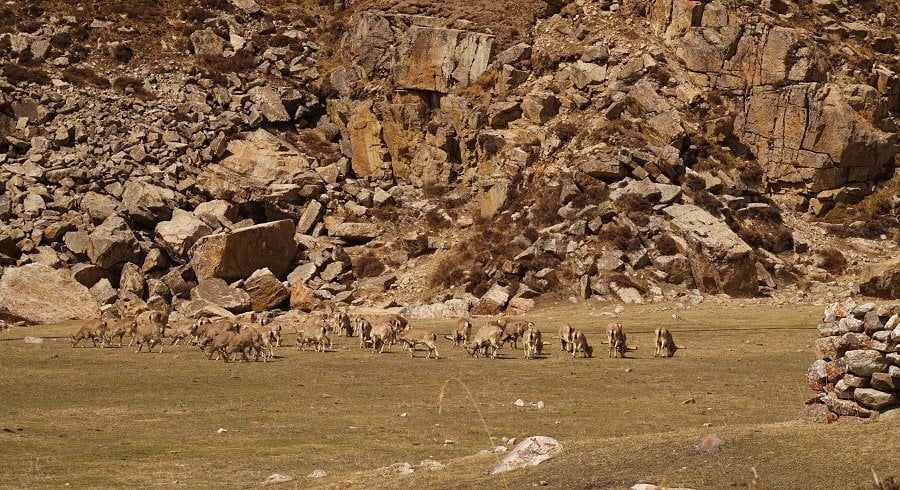
The Kanchenjunga region’s wildlife is fascinating and varied. Numerous rare and endangered animals, such as the elusive snow leopard, the red panda, and the Himalayan black bear, can be found in the protected area.
The diversity of bird species, such as flycatchers, eagles, and pheasants, will please birdwatchers. The expedition is made more exciting and amazing by the possibility of seeing these animals in their native environment.
The Kanchenjunga North Basecamp Trek is a genuinely remarkable experience because of the region’s dedication to conservation initiatives, which guarantee that the natural beauty and biodiversity be conserved for future generations to enjoy.
Safety Tips and Guidelines for Trekkers
When doing the Kanchenjunga North Basecamp Trek, safety should always come first. Due to the trek’s isolated location and difficulty, careful planning and preparation are necessary to guarantee a successful and safe trip. Trekking with an experienced and qualified guide or joining a respectable trekking group is one of the most crucial safety recommendations.
Throughout the journey, guides can offer invaluable support and help because they are knowledgeable about the terrain, weather, and potential dangers.
It’s Being emotionally and physically ready for the difficulties of the trek is crucial. Frequent training and exercise, such as strength and aerobic exercises, can assist develop the endurance and stamina required for the lengthy trekking days.
The journey can be emotionally and physically taxing, so mental preparation is just as crucial. You can manage the challenges and uncertainties that may come up by remaining upbeat, patient, and flexible.
For both comfort and safety, it is essential to pack the appropriate gear. Make sure your first aid box is well-stocked with drugs to treat intestinal problems, discomfort, and altitude sickness. Given the restricted coverage of cell networks in the area, a dependable communication tool like a satellite phone might be quite helpful in an emergency.
Always let someone know when you plan to return from your excursion. To sustain your energy levels, it’s also critical to eat healthily, drink plenty of water, and get enough sleep. You can reduce dangers and have a fulfilling and unforgettable hiking trip in the Kanchenjunga region by adhering to these safety recommendations.
Conclusion: Why Kanchenjunga Should Be on Your Bucket List
A trek unlike any other, the Kanchenjunga North Basecamp Trek offers the ideal balance of adventure, scenic beauty, cultural diversity, and individual challenge.
The journey offers you an unmatched sense of isolation and closeness to the natural world as it takes you to some of the Himalayas’ most isolated and unexplored areas. Anyone who embarks on this expedition will be forever changed by the stunning vistas of the third-highest peak in the world and the surrounding mountains.
Beyond the breathtaking views, the journey provides a profound cultural immersion that enables you to engage with the various groups that inhabit this area. The experience is made more meaningful and fulfilling by the locals’ kindness and generosity as well as the chance to learn about their customs and way of life.
The opportunity to see the Kanchenjunga Conservation Area’s distinctive animals and abundant biodiversity adds to the whole experience, making it a paradise for nature lovers..
In the end, the Kanchenjunga North Basecamp Trek is more than simply a strenuous physical endeavor; it’s a life-changing event that pushes your boundaries, expands your perspectives, and leaves you with lifelong memories. This hike should be on your bucket list regardless of your level of experience.
The sense of success and amazement you’ll feel upon arriving at basecamp is unmatched, and the benefits of embarking on this difficult but immensely gratifying adventure are enormous. So prepare for the ultimate adventure in the heart of the Himalayas by packing your bags and lacing up your boots.
 Big Group? We can help safer